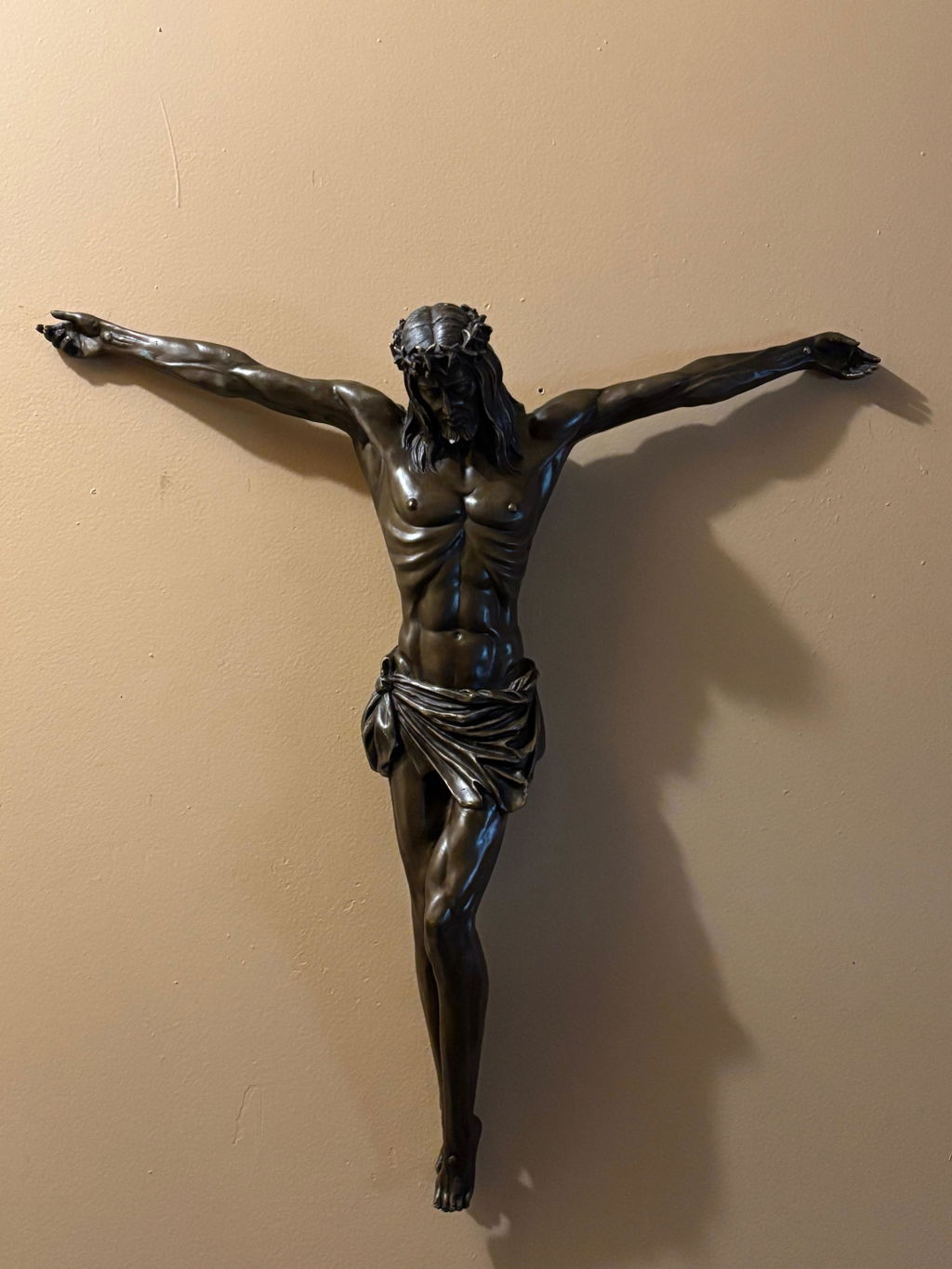
Overview
Owning a bronze sculpture showcases your appreciation for art, but maintaining its beauty requires careful attention. Learn effective cleaning methods, how to protect the patina, and best practices for handling and displaying these timeless pieces. With the right care, your bronze sculptures can remain stunning focal points and cherished investments for years to come.
Table of Contents
- Understanding Bronze Sculptures
- Definition of Genuine Bronze Sculptures
- Differences Between Handmade and Mass-Produced Bronze Sculptures
- Importance of Patina in Bronze Art
- Cleaning Your Bronze Sculptures
- Recommended Cleaning Materials
- How to Remove Dust and Grime Without Damaging the Surface
- Frequency of Cleaning Based on Display Conditions
- Maintaining the Patina
- What is Patina and How Does it Develop?
- Methods to Enhance or Restore Patina
- When to Seek Professional Restoration Services
- Protecting Your Sculptures from Damage
- Ideal Display Conditions
- Preventing Scratches and Physical Damage
- Guide on Selecting Display Locations and Protective Measures
- Handling and Moving Bronze Sculptures
- Best Practices for Lifting and Carrying Bronze Pieces
- How to Secure Sculptures During Transport
- Importance of Using Appropriate Packing Materials
- Gifting and Displaying Bronze Sculptures
- Choosing the Right Sculpture for Different Occasions
- Tips for Integrating Bronze Sculptures into Home Decor
- How to Present a Sculpture as a Gift
Key Takeaways
- Understand the Composition: Genuine bronze sculptures are made from a metal alloy primarily of copper, offering durability and unique characteristics.
- Differentiate Between Types: Handmade bronze sculptures are unique and valuable, while mass-produced ones lack intricate details and artistic value.
- Regular Cleaning is Essential: Clean indoor sculptures every few months and outdoor ones monthly to maintain their appearance.
- Maintain Patina: Regular cleaning and the application of mineral oil can enhance the patina, which adds character to the sculpture.
- Protect from Environmental Factors: Display sculptures in stable temperatures (60°F - 75°F) and avoid direct sunlight to prevent damage.
- Handle with Care: Always assess the weight before lifting and use both hands for stability when moving bronze sculptures.
- Choose Thoughtfully for Gifting: Select sculptures that resonate with the recipient's interests and consider their display space when gifting.
Owning a bronze sculpture is a testament to your appreciation for artistry and craftsmanship. These timeless pieces require proper care to maintain their beauty and integrity. This guide will provide you with essential tips on understanding, cleaning, maintaining, protecting, handling, and displaying your bronze sculptures effectively.
Understanding Bronze Sculptures
Bronze sculptures are not merely decorative items; they are fine art pieces that embody rich history and craftsmanship. Here’s what you need to know:
Definition of Genuine Bronze Sculptures
A genuine bronze sculpture is crafted from a metal alloy primarily consisting of copper, typically mixed with tin and other metals. This composition gives bronze its durability and ability to withstand the test of time. Unlike resin or plastic replicas, genuine bronze sculptures possess unique properties that make each piece distinct.
Differences Between Handmade and Mass-Produced Bronze Sculptures
The method of creation significantly impacts the value and appeal of bronze sculptures:
- Handmade Bronze Sculptures: Crafted using traditional techniques, such as the lost-wax casting method, each piece is unique, showcasing the artist's skill and attention to detail.
- Mass-Produced Bronze Sculptures: Often created using molds, these pieces can lack the intricate details and individuality of handmade sculptures. While they may be more affordable, they do not carry the same artistic value.
Importance of Patina in Bronze Art
Patina is a layer that forms on the surface of bronze over time due to oxidation. This process can enhance the beauty of a sculpture, adding depth and character. The patina varies in color, ranging from deep greens to rich browns, and is often appreciated for its aesthetic appeal. Understanding how to maintain patina is crucial for preserving the sculpture's visual integrity.
Cleaning Your Bronze Sculptures
Regular cleaning is vital to keep your bronze sculptures looking their best. Here’s a step-by-step guide to ensure you do it correctly:
Recommended Cleaning Materials
To clean your bronze sculptures safely, gather the following materials:
- Soft, lint-free cloths
- Mild soap (like dish soap)
- Warm water
- Soft-bristle brush (for intricate details)
How to Remove Dust and Grime Without Damaging the Surface
Follow these steps to clean your bronze sculptures effectively:
- Dust the sculpture gently with a soft cloth to remove loose dirt.
- Mix a small amount of mild soap with warm water.
- Dip a soft cloth into the soapy water and wring it out so it’s damp, not wet.
- Wipe the surface of the sculpture, using gentle circular motions to avoid scratches.
- For hard-to-reach areas, use a soft-bristle brush to dislodge any grime.
- Rinse the cloth with clean water, wring it out, and wipe down the sculpture to remove any soap residue.
- Dry the sculpture thoroughly with a dry, soft cloth.
Frequency of Cleaning Based on Display Conditions
How often you clean your bronze sculptures depends on where you display them:
- Indoor Display: If your sculpture is indoors, cleaning once every few months is usually sufficient.
- Outdoor Display: For outdoor sculptures, clean them more frequently, ideally once a month, to remove dirt and environmental pollutants.
By following these cleaning steps, you can maintain the beauty of your bronze sculptures and ensure they remain a stunning focal point in your home or office.
Maintaining the Patina
Patina is a natural process that occurs on bronze sculptures over time, contributing to their unique character and aesthetic appeal. It is formed through oxidation and environmental exposure, resulting in a beautiful green or brownish hue that many collectors cherish. Understanding how to maintain this patina is crucial for preserving the value and beauty of your genuine bronze sculptures.
What is Patina and How Does it Develop?
Patina develops as a protective layer on the surface of bronze. This layer not only enhances the sculpture's visual appeal but also acts as a barrier against further corrosion. Factors such as humidity, temperature, and air quality can influence the patina's formation. For instance, sculptures displayed in humid environments may develop patina more quickly, while those kept in dry conditions may take longer to exhibit this characteristic.
Methods to Enhance or Restore Patina
Maintaining the patina on your bronze pieces can be achieved through several methods:
- Regular Cleaning: Use a soft, dry cloth to gently wipe the sculpture. Avoid abrasive materials that can damage the patina.
- Natural Oils: Applying a few drops of mineral oil can help enhance the patina's luster. Rub it in gently with a soft cloth.
- Restoration Techniques: If the patina has faded or been damaged, consider using a patina solution specifically designed for bronze. Test it on a small area first to ensure it meets your expectations.
When to Seek Professional Restoration Services
If your bronze sculpture shows significant wear, discoloration, or damage beyond simple cleaning, it may be time to consult a professional. Look for experts who specialize in fine art bronze sculptures to ensure your piece is restored correctly. A professional can assess the condition of the patina and recommend appropriate restoration techniques.
Protecting Your Sculptures from Damage
Environmental factors can significantly affect the longevity and appearance of your bronze sculptures. Here are some essential tips for protecting your pieces:
Ideal Display Conditions
To maintain the integrity of your bronze sculptures, aim to display them in ideal conditions:
- Temperature: Keep sculptures in a stable environment, ideally between 60°F and 75°F (15°C - 24°C).
- Humidity: Maintain a humidity level of 40-60%. High humidity can accelerate patina development and corrosion, while low humidity can cause drying out.
- Light Exposure: Avoid direct sunlight, which can lead to fading and heat damage. Instead, opt for indirect lighting to showcase the beauty of your bronze figurines.
Preventing Scratches and Physical Damage
To safeguard your sculptures from scratches and other physical damage, consider the following:
- Placement: Position sculptures away from high-traffic areas to minimize the risk of accidental bumps or falls.
- Display Cases: Utilize display cases or stands that offer protection while showcasing the sculpture. Glass cases can shield from dust and accidental contact.
- Non-Slip Bases: If your sculpture has a base, ensure it is stable and secure. You may use rubber pads to prevent slipping on surfaces.
Guide on Selecting Display Locations and Protective Measures
When choosing where to display your bronze sculpture, consider the following factors:
- Visibility: Choose a location that allows for optimal viewing without risking damage. A well-lit shelf or a dedicated display area can work wonders.
- Environmental Stability: Avoid places near heating vents, air conditioners, or windows that can cause temperature fluctuations.
- Accessibility: Ensure that the sculpture is not too high or too low to avoid strain when cleaning or adjusting it.
By following these guidelines, you can ensure that your bronze sculptures remain stunning and well-preserved for years to come. Not only will this enhance your enjoyment of these exquisite pieces, but it will also uphold their value as cherished art in your collection.
Handling and Moving Bronze Sculptures
Bronze sculptures are not just beautiful pieces of art; they are also valuable investments that require careful handling and transportation. Whether you're rearranging your decor or moving to a new location, it’s crucial to know the best practices for lifting, carrying, and securing your bronze pieces to avoid damage.
Best Practices for Lifting and Carrying Bronze Pieces
When lifting a bronze sculpture, always remember to:
- Assess the Weight: Before attempting to lift, gauge the weight of the sculpture. If it feels too heavy, ask for assistance.
- Use Both Hands: Place one hand on the base and the other on the body of the sculpture for better control.
- Keep Your Body Close: Hold the sculpture close to your body to maintain balance and reduce strain.
How to Secure Sculptures During Transport
Transporting bronze sculptures can be tricky, but with the right approach, you can ensure their safety:
- Wrap in Soft Materials: Use bubble wrap or soft blankets to cover the sculpture, protecting it from scratches.
- Use a Sturdy Box: Place the wrapped sculpture in a sturdy box that fits snugly. This prevents movement during transit.
- Secure with Packing Materials: Fill any gaps in the box with packing peanuts or crumpled paper to minimize shifting.
Importance of Using Appropriate Packing Materials
Choosing the right packing materials is essential for the safety of your bronze sculptures. Here’s what to consider:
- Bubble Wrap: Ideal for cushioning and protecting delicate details.
- Cardboard Boxes: Opt for double-walled boxes for added strength.
- Foam Inserts: Consider using custom foam inserts for high-value sculptures to prevent any movement.
Following these guidelines will help ensure that your bronze sculptures remain intact and beautiful, whether they're being moved across the room or across the country.
Gifting and Displaying Bronze Sculptures
Bronze sculptures make for thoughtful gifts and stunning decor pieces. Knowing how to choose, display, and present them can elevate their impact significantly.
Choosing the Right Sculpture for Different Occasions
When selecting a bronze sculpture as a gift, consider the recipient’s taste and the occasion. Here are some tips:
- Personal Connection: Select a piece that resonates with the recipient’s interests, such as a sculpture of an angel for someone who appreciates spiritual art.
- Occasion-Specific Themes: For weddings, consider figurines that symbolize love and unity; for anniversaries, look for pieces that reflect shared memories.
- Size Matters: Think about the space available for display. Smaller sculptures are often better for limited spaces, while larger pieces can serve as statement decor.
Tips for Integrating Bronze Sculptures into Home Decor
Displaying your bronze sculptures effectively can enhance your decor. Here are some strategies:
- Contrast with Colors: Place bronze sculptures against lighter backgrounds to highlight their rich patina.
- Group Display: Combine smaller bronze figurines with other decorative items to create an engaging vignette.
- Lighting: Use spotlights or natural light to accentuate the details and textures of the sculpture.
How to Present a Sculpture as a Gift
The presentation of a bronze sculpture can make the gift even more special. Consider these ideas:
- Gift Wrapping: Use elegant wrapping paper or a decorative box that complements the sculpture.
- Include a Personal Note: Write a heartfelt message explaining why you chose that particular piece.
- Provide Care Instructions: Include a brief guide on how to care for the sculpture, ensuring that it remains beautiful for years to come.
By following these tips, you can ensure that your bronze sculptures are not only well-cared for but also beautifully showcased, making them perfect gifts and stunning additions to any space. Whether you’re gifting a genuine bronze sculpture or enhancing your own collection, the right approach will maximize their appeal and longevity.
Frequently Asked Questions
1. What is a genuine bronze sculpture?
2. How often should I clean my bronze sculptures?
3. What is patina, and why is it important in bronze art?
4. What materials should I use to clean my bronze sculptures?
5. What steps should I take to handle and transport bronze sculptures properly?
Glossary
| Term | Meaning |
|---|---|
| Bronze Sculpture | A fine art piece made primarily of copper alloyed with tin and other metals. |
| Patina | A protective layer formed on bronze due to oxidation, enhancing its visual appeal. |
| Handmade Sculpture | A unique piece crafted using traditional methods, showcasing the artist's skill. |
| Mass-Produced Sculpture | A sculpture created from molds, often lacking intricate details and individuality. |
| Cleaning Materials | Items like soft cloths and mild soap used for maintaining bronze sculptures. |
| Display Conditions | Optimal environment factors like temperature and humidity for showcasing sculptures. |
| Transportation | The process of moving sculptures safely, using protective materials and secure packing. |
| Gift Presentation | How to wrap and present a bronze sculpture as a thoughtful gift. |
| Restoration Techniques | Methods used to repair or enhance the patina of bronze sculptures. |
| Environmental Factors | Conditions like humidity and light exposure that affect the longevity of bronze sculptures. |
Linked Product

Winged Female Angel Playing Heavenly Harp - Bronze Memorial Sculpture Statue
The "Winged Female Angel Playing Heavenly Harp" bronze sculpture is a beautifully handcrafted reproduction that captures the elegance and artistry of Auguste Moreau. With its intricate details and a harmonious composition, this statue adds a serene and sophisticated touch to any home or office decor. Mounted on a black marble base, it serves as both a decorative accent and a tribute to classical art.
View Product