Overview
Bronze sculptures are not only artistic expressions but also powerful symbols of faith and spirituality. Understanding their creation methods, significance, and how to choose the right piece can enhance your spiritual spaces and personal collections. By considering factors like size, style, and symbolism, you can select sculptures that resonate with your beliefs and elevate the atmosphere of your home or meditation areas.
Table of Contents
- Understanding Bronze Sculptures
- Choosing the Right Religious Bronze Sculpture
- Displaying Bronze Sculptures in Spiritual Spaces
- Best Locations for Displaying Sculptures
- How Lighting Affects Perception
- Creating a Cohesive Display
- Caring for Your Bronze Sculpture
- Cleaning Techniques
- Protecting Against Environmental Damage
- Signs of Wear and Restoration
- Gifting Bronze Sculptures: A Thoughtful Choice
- Why Choose Bronze Sculptures as Gifts?
- Occasions for Gifting Bronze Sculptures
- Personalizing the Gift Experience
- Collecting Bronze Sculptures: Tips for New Collectors
- Understanding the Value and Market
- How to Start Your Collection
- Networking with Other Collectors
Key Takeaways
- Understanding Bronze Sculptures: Bronze sculptures are made from an alloy of copper and tin, valued for their durability and beauty, often depicting spiritual themes.
- Creation Methods: Two primary methods for creating bronze sculptures are hot-cast and lost-wax casting, each offering different levels of detail and uniqueness.
- Choosing the Right Piece: Consider size, style, and symbolism when selecting a bronze sculpture that resonates with your spiritual beliefs and fits your space.
- Display Considerations: Ideal locations for showcasing sculptures include entryways, living rooms, and dedicated spiritual corners to enhance their significance.
- Caring for Sculptures: Regular cleaning, protecting against environmental damage, and monitoring for wear are essential for preserving the beauty of bronze sculptures.
- Gifting Bronze Sculptures: They make thoughtful gifts for various occasions, symbolizing personal connections and spiritual significance.
- Starting a Collection: New collectors should focus on pieces that resonate personally, considering size, style, and symbolism while networking with other collectors for insights.
Comparison at a Glance
| Option | Best for | Strengths | Trade-offs |
|---|---|---|---|
| Bronze Lady Justice Sculpture | Symbolic representation of justice | Unique design, strong symbolism, suitable for various spaces | May not resonate with those seeking purely religious themes |
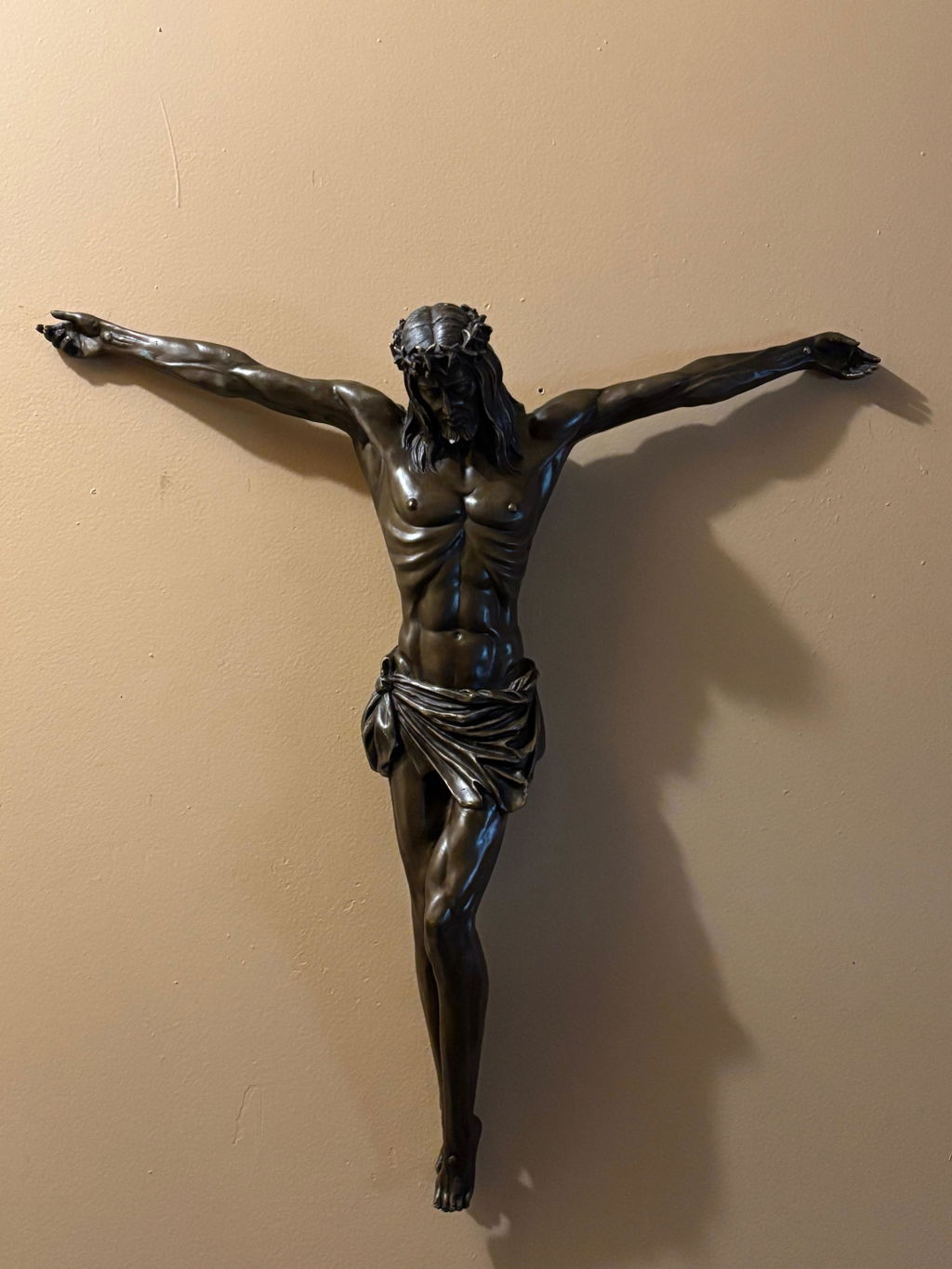
| Hot Cast Bronze Wall Hanging Plaque - The Cavalry Crucifixion of Jesus Christ | Religious displays | Durable, mass-produced for affordability, impactful imagery | Lacks the intricate detail of handcrafted pieces |
| Signed Mercie Messenger of God Protector of Life Bronze Sculpture Angel Statue | Personalized gifts for religious occasions | Handcrafted, deep spiritual meaning, unique artistry | Higher price point due to craftsmanship |
Bronze sculptures hold a significant place in both art and spirituality, often serving as powerful symbols of faith and devotion. Understanding the nuances of bronze sculptures can help you select pieces that resonate with your beliefs and enhance the aesthetic of your spiritual spaces. This guide will delve into the essential aspects of bronze sculptures, focusing on their creation methods, significance, and tips for choosing the right piece for your collection or home.
Understanding Bronze Sculptures
Bronze sculptures are three-dimensional artworks made primarily from an alloy of copper and tin, historically valued for their durability and beauty. In a religious context, these sculptures often depict figures or scenes that embody spiritual beliefs, serving as reminders of faith and devotion. They can inspire contemplation and connection, making them ideal for placement in homes, places of worship, or meditation spaces.
Two primary methods are used to create bronze sculptures: hot-cast and lost-wax casting. The hot-cast method involves pouring molten bronze into a mold, allowing for mass production of sculptures. This technique is efficient and results in durable pieces. In contrast, the lost-wax method is a more intricate process where a wax model is coated with clay. Once the clay hardens, the wax is melted away, leaving a cavity for the molten bronze. This method allows for finer details and unique, one-of-a-kind pieces, making it highly regarded among artists.
Another important consideration is the patina, which is the surface finish that develops on bronze over time. Patina can add depth and character to a sculpture, enhancing its visual appeal. Some sculptures, like the Bronze Lady Justice Sculpture, feature a warm brown patina that complements their design, while others may showcase a verdigris finish. Understanding how patina affects the appearance can assist you in selecting a piece that aligns with your aesthetic preferences.
Choosing the Right Religious Bronze Sculpture
Selecting a bronze sculpture that resonates with your spiritual beliefs involves considering several factors, including size, style, and symbolism. Begin by evaluating the space where the sculpture will be displayed. For example, a large piece like the Hot Cast Bronze Wall Hanging Plaque would be a striking focal point in a living room or hallway, while a smaller piece might suit a personal meditation corner.
Next, consider the style of the sculpture. Are you drawn to classical representations, or do you prefer a more contemporary interpretation? Religious themes can vary widely, from angels to depictions of Christ, as seen in the Signed Mercie Messenger of God Sculpture. Reflect on what resonates with you personally and spiritually.
To aid in your selection process, here’s a checklist:
- Size: Measure your display area to ensure a proper fit.
- Style: Determine if you prefer traditional or modern designs.
- Symbolism: Choose sculptures that reflect your beliefs or experiences.
- Material Quality: Look for pieces made with genuine bronze and consider the casting method used.
By taking these factors into account, you can find a bronze sculpture that not only enhances your space but also deepens your spiritual connection. As you explore the world of bronze religious sculptures, consider how each piece can tell a story and become a cherished part of your collection.
Displaying Bronze Sculptures in Spiritual Spaces
Bronze sculptures can serve as profound focal points in spiritual spaces, enriching both the atmosphere and the aesthetic appeal of a room. When displaying these pieces, there are several factors to consider to maximize their beauty and significance.
Best Locations for Displaying Sculptures
Choosing the right location for your bronze sculpture is crucial. Here are some ideal spots:
- Entryways: Placing a sculpture near the entrance creates an immediate impact and sets a welcoming tone.
- Living Rooms: Use the living room as a space to showcase larger pieces, where they can be appreciated by guests.
- Spiritual Corners: Designate a specific area for meditation or reflection, where a sculpture can enhance the spiritual ambiance.
- Garden Spaces: A bronze angel garden statue can add a serene element to outdoor settings, harmonizing with nature.
How Lighting Affects Perception
Lighting plays a pivotal role in how bronze sculptures are perceived. Here are some tips for effective lighting:
- Natural Light: Position sculptures near windows to take advantage of natural light, which can highlight the patina and details.
- Spotlights: Use focused lighting to draw attention to specific features of the sculpture, such as intricate details or textures.
- Ambient Lighting: Soft lighting can create a calming effect, enhancing the spiritual essence of the piece.
Creating a Cohesive Display
To create a harmonious display, consider the following:
- Color Coordination: Ensure that the sculpture complements the color palette of the surrounding decor.
- Height Variation: Display sculptures at varying heights to create visual interest. Use pedestals or shelves to elevate smaller pieces.
- Grouping: Arrange sculptures with similar themes or styles together to create a narrative or thematic connection.
For example, the Bronze Lady Justice Sculpture can be beautifully paired with other classical pieces to create a gallery-like atmosphere in your living room.
Caring for Your Bronze Sculpture
Proper maintenance is essential for preserving the beauty and longevity of bronze sculptures. Here are key care tips:
Cleaning Techniques
Regular cleaning will help maintain the aesthetic appeal of your sculptures. Consider the following methods:
- Dusting: Use a soft, dry cloth to gently dust the sculpture, removing any dirt or debris.
- Cleaning Solutions: For deeper cleaning, mix mild soap with warm water. Use a soft cloth to wipe down the sculpture, then rinse with clean water and dry thoroughly.
Protecting Against Environmental Damage
Environmental factors can affect bronze sculptures, particularly if displayed outdoors. Here are protective measures:
- Weatherproofing: Apply a protective wax or coating to outdoor sculptures to shield them from moisture and UV rays.
- Indoor Care: Keep sculptures away from direct sunlight and humidity, which can cause patina changes.
Signs of Wear and Restoration
Be vigilant for signs of wear, such as discoloration or flaking. If you notice significant damage, it may be time to consult a professional for restoration. Regular inspections can help catch these issues early, ensuring your bronze sculptures remain in pristine condition.
By following these display and care tips, you can fully appreciate the beauty and spiritual significance of your bronze sculptures, making them lasting treasures in your home or garden.
Gifting Bronze Sculptures: A Thoughtful Choice
Bronze sculptures serve as exceptional gifts, blending artistry with deep personal meaning. Their durability and timeless appeal make them a lasting reminder of special occasions. When considering a bronze sculpture as a gift, think about the recipient's tastes, beliefs, and the significance of the occasion.
Why Choose Bronze Sculptures as Gifts?
- Unique and Personal: Unlike mass-produced items, bronze sculptures are often handcrafted, making each piece unique. This personal touch can resonate deeply with the recipient.
- Symbolic Value: Many bronze sculptures carry spiritual or emotional significance, especially religious themes. For instance, a piece like the Hot Cast Bronze Wall Hanging Mounted Art Plaque The Cavalry Crucifixion of Jesus Christ can serve as a poignant reminder of faith and devotion.
- Timelessness: Bronze is a material known for its longevity, ensuring that the gift will be cherished for years to come.
Occasions for Gifting Bronze Sculptures

Bronze sculptures can fit various occasions, making them versatile gifts:
- Weddings: A beautifully crafted piece can symbolize the enduring nature of love.
- Anniversaries: Commemorate milestones with sculptures that reflect the couple's journey together.
- Religious Ceremonies: Gifts like the Signed Mercie Messenger of God Protector of Life Bronze Sculpture Angel Statue can be perfect for baptisms or confirmations.
- Memorials: Bronze memorial statues can honor the memory of loved ones, providing comfort and remembrance.
Personalizing the Gift Experience

To make your gift even more special, consider personalizing it. You can:
- Include an Inscriptive Message: Adding a heartfelt note or inscription can enhance the emotional value of the sculpture.
- Choose Special Packaging: Presenting the sculpture in elegant packaging can elevate the gifting experience.
Collecting Bronze Sculptures: Tips for New Collectors
Starting a collection of bronze sculptures can be an enriching journey, especially for those drawn to religious themes. Here are some tips to guide new collectors:
Understanding the Value and Market
Before diving into collecting, it’s crucial to understand the market for bronze sculptures. Research the artists, their styles, and the significance of their works. Familiarize yourself with terms like "hot-cast" and "lost-wax" to appreciate the craftsmanship behind each piece.
How to Start Your Collection
Begin your collection with a focus on pieces that resonate with you personally. For instance, consider starting with a significant piece like the Bronze Lady Justice Sculpture, which embodies strength and resilience. When selecting sculptures, keep these factors in mind:
- Size: Ensure the dimensions fit your display space.
- Style: Choose sculptures that align with your aesthetic preferences and existing decor.
- Symbolism: Look for pieces that reflect your beliefs or values.
Networking with Other Collectors
Engaging with fellow collectors can provide invaluable insights and opportunities. Attend art shows, join online forums, and participate in local art groups to share experiences and learn about new artists and pieces.
By thoughtfully selecting and displaying bronze sculptures, you can cultivate a collection that not only enhances your space but also reflects your spiritual and artistic journey.

Frequently Asked Questions
1. What materials are bronze sculptures made from?
2. What are the two primary methods used to create bronze sculptures?
3. What factors should I consider when choosing a religious bronze sculpture?
4. How can I effectively display bronze sculptures in spiritual spaces?
5. What are some tips for new collectors of bronze sculptures?
Glossary
| Term | Meaning |
|---|---|
| Bronze Sculptures | Three-dimensional artworks made from an alloy of copper and tin. |
| Patina | The surface finish that develops on bronze over time, adding character. |
| Hot-Cast Method | A technique where molten bronze is poured into a mold for mass production. |
| Lost-Wax Casting | An intricate process allowing for detailed, unique sculptures by melting wax models. |
| Symbolism | The deeper meaning or representation of beliefs depicted in sculptures. |
| Display Locations | Ideal areas to showcase sculptures, such as entryways or meditation corners. |
| Environmental Damage | Harm caused by weather or humidity affecting the sculpture's condition. |
| Cleaning Techniques | Methods for maintaining the aesthetic appeal of bronze sculptures. |
| Gifting | Presenting bronze sculptures as thoughtful, meaningful gifts for special occasions. |
| Collecting | The practice of acquiring bronze sculptures, often focusing on personal significance. |