Overview
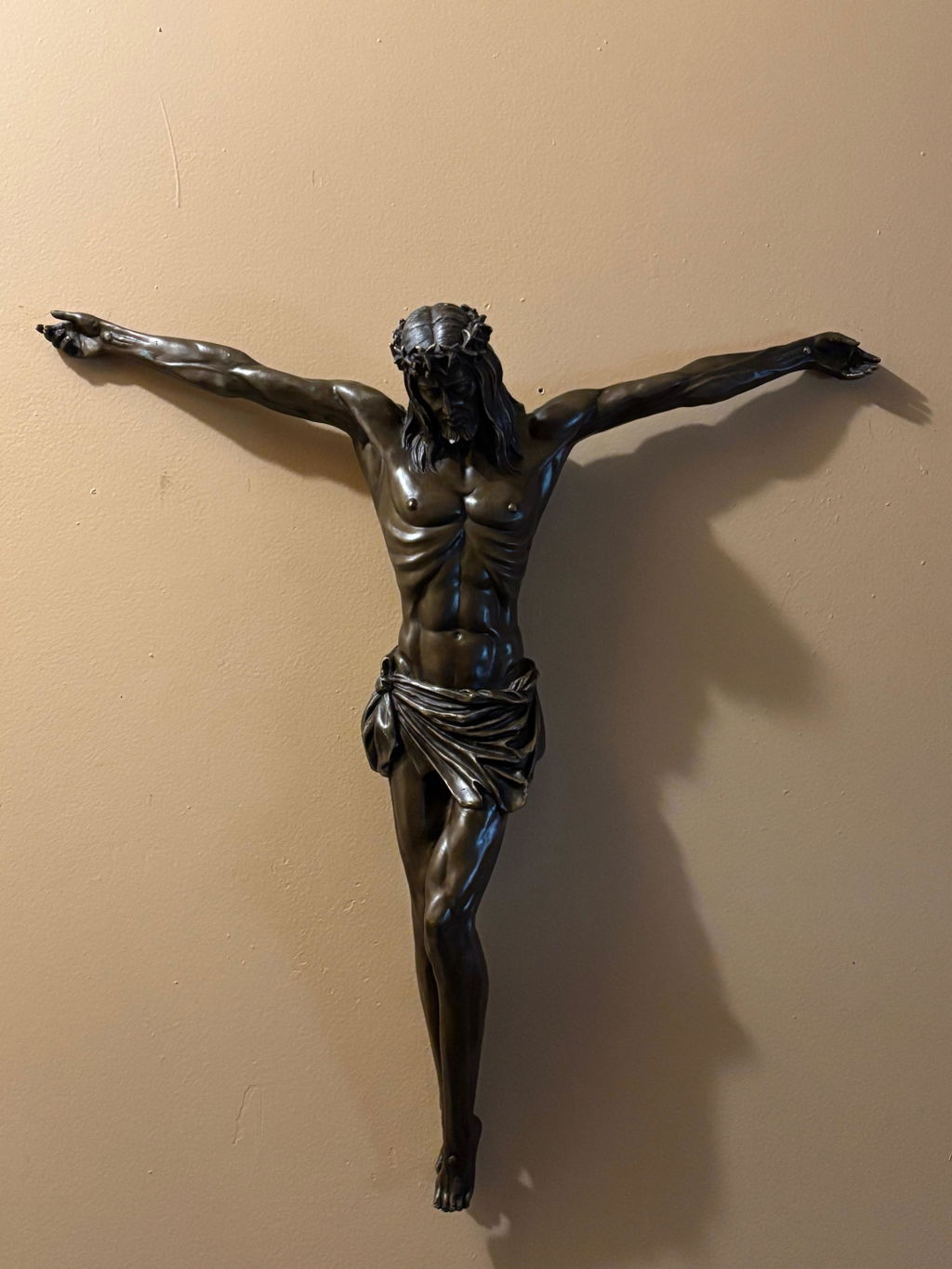
Owning a bronze sculpture adds a touch of elegance, but wear and damage can diminish its beauty over time. Knowing when and how to restore your piece is crucial for preserving its artistic value and charm. This guide offers practical tips for assessing damage, cleaning, and choosing the right professional for restoration, ensuring your sculpture remains a captivating centerpiece for years to come.
Table of Contents
- Understanding Bronze Sculptures
- The Allure of Patina
- When Is It Time for Restoration?
- How to Restore Your Bronze Sculpture
- Cleaning Your Sculpture
- Assessing Damage
- Choosing a Professional for Restoration
- Research and Qualifications
- What to Expect During Restoration
- Protecting Your Restored Sculpture
- Display Considerations
- Showcase the Beauty
- Gifting Bronze Sculptures
- Understanding Collector Appeal
- The Finishing Touch: Craftsmanship Matters
Key Takeaways
- Understanding Bronze: Most bronze sculptures are made using the hot-cast or lost-wax casting method, ensuring durability and intricate details.
- Recognizing Signs for Restoration: Look for visible damage, loss of patina, dirt build-up, or discoloration as indicators that professional restoration may be needed.
- Cleaning Techniques: Regular maintenance includes using a soft cloth, warm soapy water, and a gentle brush to avoid scratching the surface.
- Choosing a Professional: Select a conservator with experience in bronze restoration, a solid portfolio, and positive client testimonials.
- Expectations During Restoration: Be prepared for an initial assessment, a detailed cost estimate, and a timeline for the restoration process.
- Protecting Your Sculpture: Display in controlled environments, use stable bases, and schedule regular cleanings to maintain its condition.
- Collector Appeal: Investing in bronze sculptures offers aesthetic pleasure and potential collector value, making them timeless gifts.
Bronze sculptures, revered for their artistic and historical significance, hold a unique status in the world of art and decor. When your cherished bronze sculpture shows signs of wear or damage, restoring it can reclaim its former glory. This guide will provide insights on when and how to restore your bronze sculpture, ensuring it continues to impress for generations to come.
Understanding Bronze Sculptures
Before diving into restoration techniques, it’s essential to understand what makes bronze sculptures special. Most bronze pieces are created using the hot-cast or lost-wax casting method, a process that dates back to ancient times. This technique not only provides durability but also allows for intricate details, showcasing the skill of artisans.
The Allure of Patina
One of the defining features of bronze sculptures is the patina that develops over time. This natural oxidation process can impart a rich color, from deep greens to warm browns, enhancing the sculpture's character. However, it’s crucial to distinguish between desirable patina and damage. Maintaining the right balance is key, as aggressive restoration can strip away not just dirt but the very charm of your piece.
When Is It Time for Restoration?
Knowing when to restore your bronze sculpture is vital. Here are some signs indicating that your piece could benefit from professional help:
- Visible Damage: Chips, cracks, or any structural damage require attention to avoid deterioration.
- Loss of Patina: If the beautiful coloring of your bronze eagle sculpture is fading, restoration can help revitalize it.
- Dirt and Grime Build-Up: Accumulated debris can dull the sculpture’s shine, obscuring its fine details.
- Discoloration: Unwanted green spots or signs of corrosion may signal that professional cleaning or treatment is necessary.
How to Restore Your Bronze Sculpture
Restoration can be a delicate process, often best left to professionals. However, if you wish to undertake minor repairs, here are some steps you can follow:
Cleaning Your Sculpture
For regular maintenance, a simple cleaning can refresh your bronze desk sculpture:
- Gather Your Supplies: Use a soft, lint-free cloth, warm soapy water, and a gentle brush.
- Dampen the Cloth: Moisten your cloth with the soapy water and gently wipe down the sculpture.
- Brush Away Debris: Use the soft-bristled brush to clean intricate areas without scratching the surface.
- Rinse and Dry: Ensure that all soap residues are removed and dry the sculpture thoroughly to prevent water spots.
Assessing Damage
After cleaning, closely inspect your sculpture for any damage. If you identify significant structural issues:
- Consult an Expert: Contact a professional conservator who specializes in bronze restoration. They can assess the damage and recommend appropriate repairs.
- Restoration Techniques: Techniques might include re-patination, welding for structural damage, or filling holes with bronze twigs.
Choosing a Professional for Restoration
If your bronze sculpture requires extensive restoration, it’s important to choose the right professional:
Research and Qualifications
- Experience: Look for someone with a strong background in bronze restoration and knowledge of the lost-wax casting process.
- Portfolio: Review previous work to understand their capabilities and style.
- Client Testimonials: Positive feedback can provide insights into their reliability and quality of work.
What to Expect During Restoration
Once you've engaged a professional, here’s what you might expect during the restoration process:
- Initial Assessment: The conservator will evaluate the sculpture and discuss potential restoration methods.
- Detailed Cost Estimate: Before work begins, you should receive an explicit breakdown of costs involved.
- Timeline: Restoration can take time, depending on the extent of the work. Ensure you understand the expected duration.
Protecting Your Restored Sculpture
Once restored, steps can be taken to protect your bronze sculpture from future damage:
Display Considerations
- Location: Keep your bronze sculpture in a controlled environment, away from direct sunlight and humidity.
- Display Bases: Utilize a marble base to provide stability and reduce the risk of tipping over.
- Regular Maintenance: Schedule periodic cleanings to prevent dirt accumulation and maintain the patina.
Showcase the Beauty
Displaying your bronze sculpture, especially captivating pieces like a bronze eagle sculpture, can enhance your space dramatically. These artworks can serve as conversation starters and focal points in any room.
Gifting Bronze Sculptures
Bronze sculptures also make for timeless gifts. Whether it’s a bronze desk sculpture for a loved one or a compelling piece for a colleague, the appeal is universal. Consider gifting options during special occasions like weddings, anniversaries, or corporate milestones.
Understanding Collector Appeal
For art enthusiasts, investing in bronze sculptures provides both aesthetic pleasure and collector value. When considering additions to your collection or gifts for fellow collectors, ensure the pieces are genuine, and consider the artists and traditions behind them.
The Finishing Touch: Craftsmanship Matters
Ultimately, the restoration and maintenance of bronze sculptures hinge on respecting their craftsmanship. Whether you own an original piece by a renowned artist or a more recent creation, acknowledging their artistry allows for a deeper appreciation.
The vibrant detailing on a bronze eagle sculpture, for instance, illustrates the power and grace that such artworks encapsulate. Whether gifted or displayed, each sculpture tells a story that deserves to be preserved in its purest form.
By understanding the intricacies of bronze sculpture restoration, you are not only safeguarding an object of beauty but also preserving a piece of history. As your collection grows, remember that every bronze sculpture holds the potential to become a lasting inheritance, connecting future generations to the artistry and craftsmanship of the past.
Frequently Asked Questions
1. What are bronze sculptures known for?
2. How can I tell if my bronze sculpture needs restoration?
3. What is the process for cleaning a bronze sculpture?
4. How should I choose a professional for bronze sculpture restoration?
5. What steps can I take to protect my restored bronze sculpture?
Glossary
| Term | Meaning |
|---|---|
| Bronze Sculpture | A three-dimensional artwork made primarily of bronze. |
| Patina | A natural oxidation layer that develops on bronze, adding color and character. |
| Restoration | The process of repairing and rejuvenating a damaged sculpture. |
| Lost-Wax Casting | A method of bronze casting that allows for detailed designs. |
| Visible Damage | Any noticeable chips, cracks, or structural issues in a sculpture. |
| Cleaning Supplies | Materials needed for regular maintenance, such as cloth and brush. |
| Conservator | A professional who specializes in the restoration of artworks. |
| Display Considerations | Factors to keep in mind when showcasing a sculpture, like location and base. |
| Collector Appeal | The interest and value that a piece holds for art enthusiasts. |
| Craftsmanship | The skill and artistry involved in creating a sculpture. |
Linked Product

Signed Original 100% Real Bronze Two Baby Eagles Eagle Statue Sculpture Figurine
The "Signed Original 100% Real Bronze Two Baby Eagles Eagle Statue Sculpture Figurine" by B. C. Zheng features a dynamic portrayal of two eaglets in motion, expertly handcrafted using the traditional lost wax method. With its rich brown patina and impressive detailing, this sculpture serves as a striking decorative piece suitable for various settings, including homes, offices, and galleries. Ideal for wildlife art collectors, it embodies the strength and majesty of eagles, making it a timeless addition to any collection.
View Product