Overview
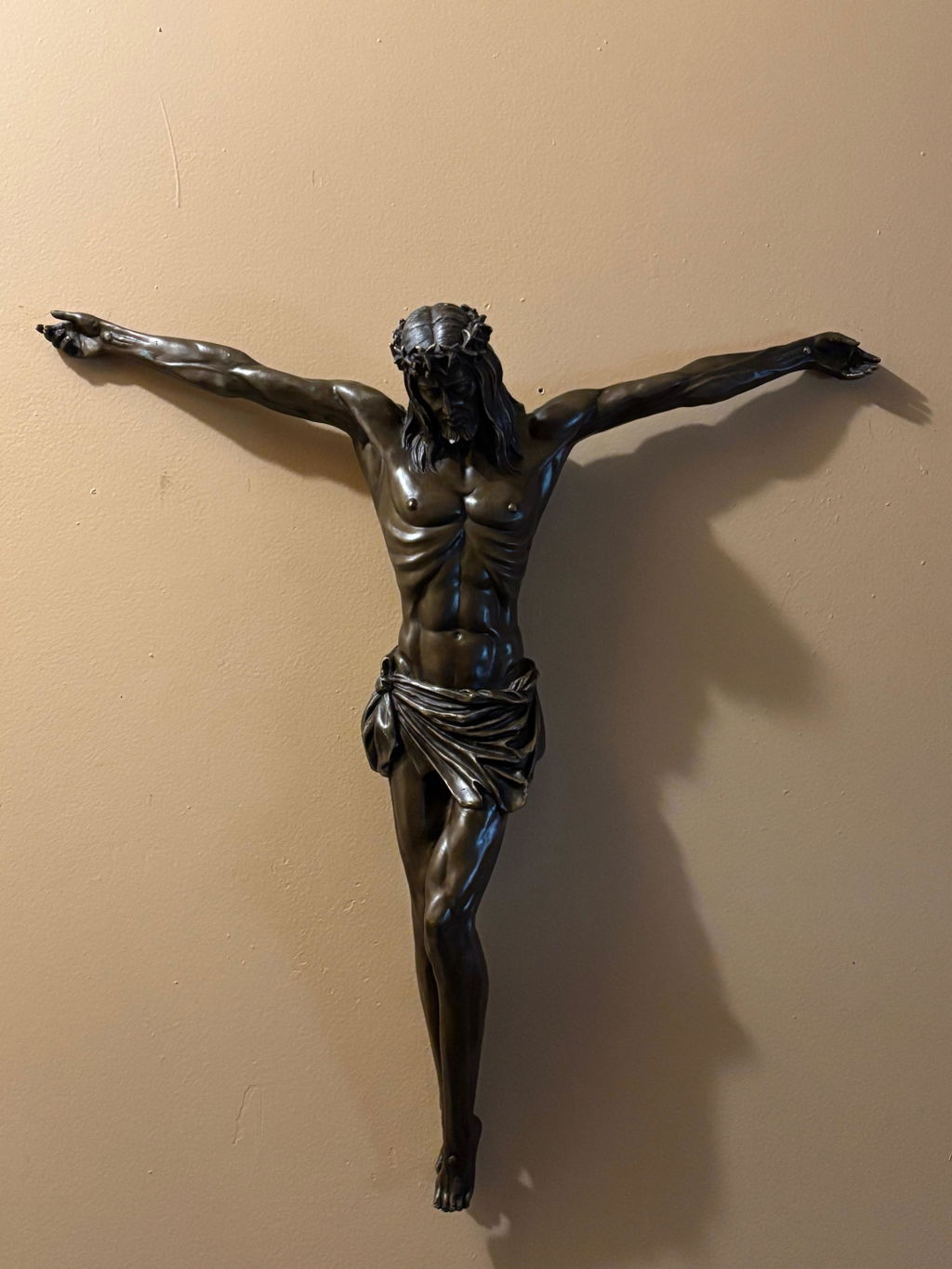
Bronze sculptures offer a profound glimpse into the cultural narratives of civilizations throughout history. Each piece embodies rich symbolism, reflecting societal values, beliefs, and artistic traditions that resonate across time and geography. Understanding these sculptures enhances appreciation for their aesthetic beauty and the stories they tell, making them significant additions to any collection or space.
Table of Contents
- The Historical Importance of Bronze Sculptures
- The Symbolic Meaning Behind Sculptures
- Religious and Spiritual Significance
- Political and Social Commentary
- Cultural Identity and Heritage
- Modern Interpretations and Symbolism
- Displaying and Caring for Bronze Sculptures
- Collector Appeal of Bronze Sculptures
- The Role of Patina in Art
- Bridging Cultural Narratives Through Art
Key Takeaways
- Historical Significance: Bronze sculptures date back thousands of years, evolving from weapons and tools to vital art forms reflecting cultural values.
- Religious Symbolism: Many bronze sculptures serve spiritual purposes, embodying beliefs such as enlightenment in Indian Buddhas through specific gestures and features.
- Political Commentary: Bronze statues of leaders in ancient Rome conveyed power and authority, serving as social commentary on governance and ideals.
- Cultural Identity: Indigenous cultures utilize bronze to express community values and ancestral heritage through unique motifs and storytelling.
- Modern Interpretations: Contemporary artists like Fernando Botero blend traditional techniques with modern themes, inviting deeper contemplation on human existence.
- Care and Display: Proper care, such as avoiding direct sunlight and using soft cloths for cleaning, is essential for preserving the beauty of bronze sculptures.
- Collector Appeal: Bronze sculptures are highly valued by collectors for their historical significance and artistic storytelling, making them unique conversation pieces.
Bronze has long been a material of choice for sculptors across the globe, holding a unique place in various cultures and civilizations. The significance of bronze sculptures goes beyond mere aesthetics; they are rich in cultural symbolism that captures the essence of the time, beliefs, and societal values they represent. In this article, we will explore the captivating world of cultural symbolism in bronze sculptures, illustrating how these masterpieces reflect the diverse narratives of different civilizations.
The Historical Importance of Bronze Sculptures
Bronze sculptures date back thousands of years. The advancement of bronze casting techniques significantly impacted art, politics, and religion. Initially, bronze was primarily used for weapons and tools, but as civilizations evolved, so did its application in art. The Bronzhaus collection offers numerous examples that celebrate this ancient tradition.
Ancient Greeks, for example, were pioneers in creating life-sized bronze sculptures. These works were often dedicated to deities and were integral in showcasing public worship and civic pride. Similarly, the Chinese dynasties produced intricate ritual bronzes used in ancestor worship, embodying a deep respect for familial lineage and traditions. This rich historical context lays a foundation for understanding the symbolism infused within these sculptures.
The Symbolic Meaning Behind Sculptures
Religious and Spiritual Significance
Many bronze sculptures serve a religious purpose, reflecting the beliefs and stories of a civilization. For instance, the intricate bronze Buddhas from India symbolize enlightenment, compassion, and the path to spiritual awakening. Each gesture (mudra) and feature has a specific significance, creating a connection between the viewer and the divine.
Political and Social Commentary
Bronze sculptures often depict leaders, heroes, or important events, acting as a commentary on social and political landscapes. In ancient Rome, bronze statues of emperors were erected in public spaces to convey power and authority, reminding citizens of their ruler’s greatness. These sculptures not only celebrated individuals but could also enforce social values or ideals.
Cultural Identity and Heritage
Bronze sculptures are a reflection of a civilization's identity. Indigenous cultures across Africa, the Americas, and Oceania have used bronze to create art that conveys community values, storytelling, and ancestral heritage. This symbolism is often seen through motifs, figures, and forms that resonate deeply within a community’s cultural narrative.
Modern Interpretations and Symbolism
In contemporary art, artists like Fernando Botero use bronze to present modern themes through traditional methods. For example, the Fernando Botero Winged Nude Angel Woman Standing on Head Bronze Sculpture integrates classic techniques like lost-wax casting, harmoniously blending modern subject matter with historic craftsmanship that captures both beauty and form.
The angel in this sculpture symbolizes innocence and virtue while its peculiar stance on a decapitated head can provoke discussions on mortality and existence. The amiable gaze of the angel reflects a softness, juxtaposed against the underlying themes of fate and the human condition. Such works invite viewers to engage in deeper contemplation regarding the narrative encapsulated in their form.
Displaying and Caring for Bronze Sculptures
For collectors and enthusiasts, understanding how to display and care for bronze sculptures is essential to preserving their integrity and beauty. Here are a few essential tips:
- Location: Always display bronze sculptures in areas that are away from direct sunlight and humidity. Excessive exposure can lead to unwanted patina changes or corrosion.
- Cleaning: Use a soft, dry cloth to dust your sculptures regularly. For deeper cleaning, a gentle soap solution can be used, but be sure to rinse thoroughly and dry immediately.
- Display: Consider placing your sculptures on marble bases for added elegance. Marble not only complements the rich tones of bronze, but also adds stability and sophistication.
- Gifting: Bronze sculptures make for timeless gifts, suitable for various occasions from weddings to anniversaries. Their unique character ensures they hold a special place in any home decor.
Collector Appeal of Bronze Sculptures
Bronze sculptures are highly sought after by collectors due to their historical significance and artistic value. Each piece tells a story, making them not just decorative items but also conversation starters. Collectors often look for unique styles that fit into rustic bronze decor themes, further enhancing their strategic value within home aesthetics.
When considering an investment in bronze sculptures, assess the artist's background, the method of casting, and the sculptural details. Understanding the process, like hot-cast/lost-wax casting, adds depth to your appreciation, encouraging stories that can be passed down through generations.
The Role of Patina in Art
Patina plays a crucial role in the aesthetics of bronze sculptures, creating a beautiful finish that develops over time. This natural aging process adds character and depth to each piece. Collectors often view patina not just as a mark of age but as an integral part of a sculpture’s identity, differentiating it from others. Consider the Fernando Botero sculpture where the rich brown patina elevates its presence, inviting admiration while maintaining an air of mystery.
Bridging Cultural Narratives Through Art
The cultural symbolism found in bronze sculptures bridges humanity's narratives across civilizations. From the gods of ancient Greece to contemporary interpretations by artists like Fernando Botero, these sculptures portray the values, beliefs, and stories of their time. Each piece is a manifestation of human thought and emotion, encoded in the grains and textures of bronze. As collectors and admirers, engaging with these art forms allows us to connect with different worlds, showing that while time and cultures may differ, the pursuit of artistic expression remains a constant thread binding us together.
For those looking to add a touch of history and cultural significance to their decor, exploring the rich offerings at Bronzhaus opens a gateway to diverse narratives encapsulated in breathtaking bronze sculptures. Embrace the beauty, delve into the stories, and let these stunning pieces transform not just your space but your understanding of art across civilizations.
Frequently Asked Questions
1. What is the historical significance of bronze sculptures?
2. What cultural significance do bronze sculptures have?
3. How should bronze sculptures be cared for?
4. What roles does patina play in bronze sculptures?
5. How do modern artists interpret bronze sculptures?
Glossary
| Term | Meaning |
|---|---|
| Bronze | A metal alloy primarily made of copper and tin, used in sculptures. |
| Cultural Symbolism | The representation of cultural beliefs and values through art. |
| Mudra | A symbolic hand gesture in Buddhist art, conveying specific meanings. |
| Patina | A natural finish that develops on bronze over time, enhancing its beauty. |
| Lost-Wax Casting | A traditional method for creating bronze sculptures by molding wax models. |
| Collector Appeal | The attraction of bronze sculptures to collectors due to their history and artistry. |
| Ancient Civilizations | Historical societies known for their contributions to art and culture, like Greece and China. |
| Modern Interpretations | Contemporary art that incorporates traditional techniques with new themes. |
| Public Worship | Community practices that honor deities, often represented in sculptures. |
| Civic Pride | A sense of community identity and pride reflected in public art. |
Linked Product

Fernando Botero Winged Nude Angel Woman Standing on Head Bronze Sculpture Statue Marble Base
The "Fernando Botero Winged Nude Angel Woman Standing on Head Bronze Sculpture" is a striking reproduction that showcases Botero's signature exaggerated forms, emphasizing volume and shape. The sculpture features a plump angel poised gracefully atop a decapitated head, inviting viewers to reflect on themes of form and symbolism in art. Mounted on a black marble base, this piece highlights the artist's unique style and provides a captivating focal point for any space.
View Product