Overview
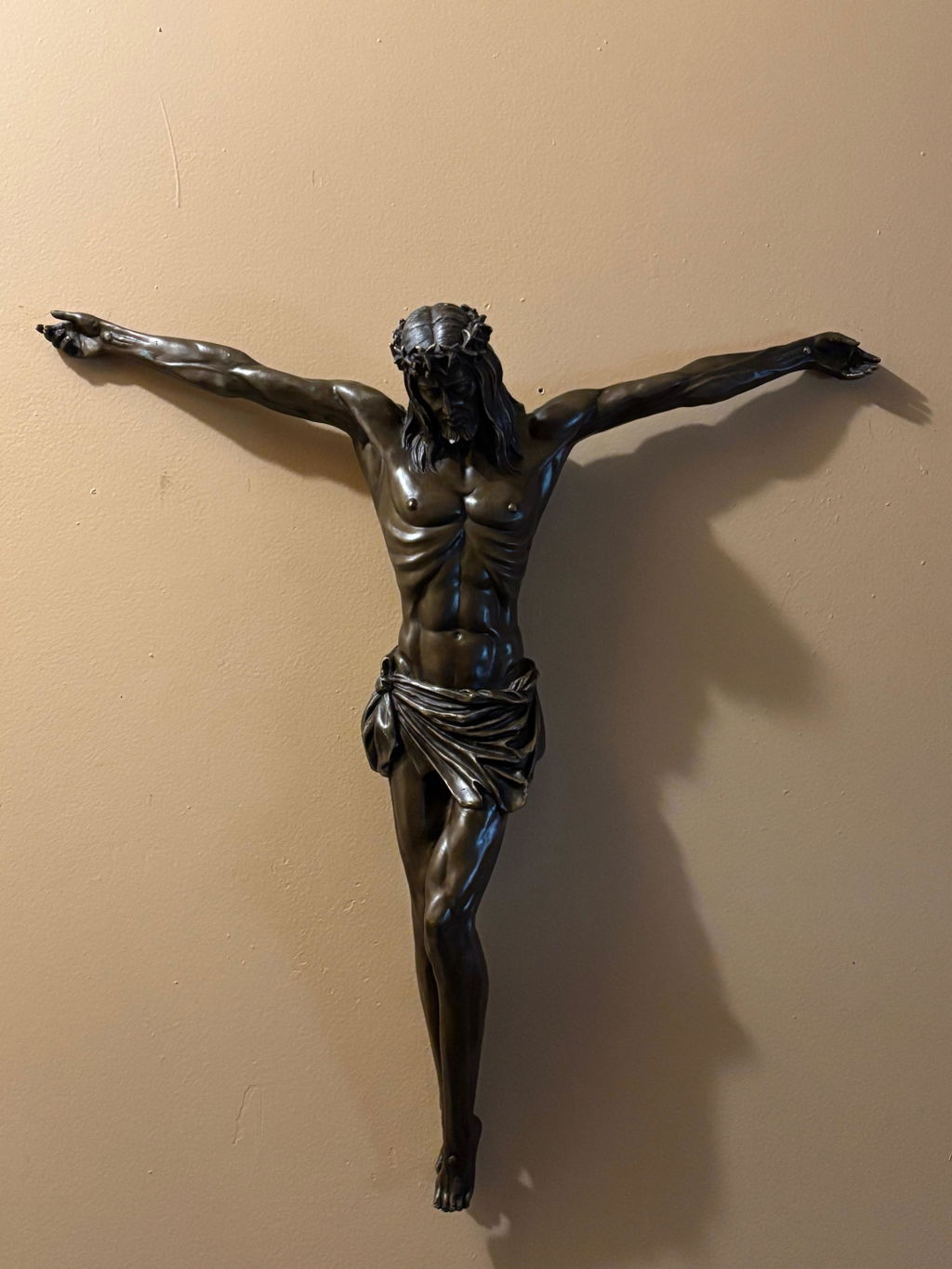
Lost wax casting is an ancient technique used for creating intricate sculptures and metal objects, dating back over 5,000 years. It involves a detailed process where a wax model is crafted, molded, and then melted away to leave a precise metal replica. This method has evolved through history, influencing cultures from ancient Egypt to the Renaissance and continuing to inspire modern artists. Its cultural significance lies in storytelling and preserving heritage, while contemporary practices increasingly focus on sustainability. Engaging with lost wax casting offers insights into artistry and innovation, making it a timeless and captivating subject.
Table of Contents
- Origins of Lost Wax Casting
- The Ancient Civilizations
- The Wax Model Process
- Creating the Mold
- Pouring the Metal
- The Evolution of Lost Wax Casting
- Renaissance Revival
- Modern-Day Applications
- The Cultural Significance of Lost Wax Casting
- Symbolism in Art
- Preserving Heritage
- Challenges in Lost Wax Casting
- Environmental Considerations
- Discovering Lost Wax Casting in Today’s Art Scene
- Finding Inspiration
- Embracing Modern Techniques
- Final Thoughts: The Endless Allure of Lost Wax Casting
Key Takeaways
- Ancient Origins: Lost wax casting dates back over 5,000 years, with evidence found in ancient Mesopotamia and Egypt.
- Cultural Adoption: Various ancient civilizations, including the Egyptians and Mesopotamians, used lost wax casting to create intricate jewelry and religious artifacts.
- Wax Model Process: The technique involves creating a detailed wax model, which is then coated to form a mold before the wax is melted away.
- Renaissance Revival: The Renaissance saw a resurgence of lost wax casting, with artists like Donatello and Michelangelo refining the process to achieve naturalistic details.
- Modern Applications: Today, artists continue to use lost wax casting for sculptures and jewelry, often drawing from historical themes and motifs.
- Cultural Significance: Each piece created through this method carries deep cultural narratives and artistic expressions, preserving heritage across generations.
- Environmental Considerations: Contemporary artists are exploring sustainable practices, using eco-friendly materials to lessen the environmental impact of lost wax casting.
Lost wax casting, an ancient technique that has withstood the test of time, has carved its legacy into the world of art and craftsmanship. This process, favored by sculptors across cultures, involves creating sculptures with a precision that captures the intricate details of mythological figures decoration and other artistic expressions. In this article, we'll dive into the fascinating history of lost wax casting, exploring its origins and evolution while recognizing its significance in contemporary art.
Origins of Lost Wax Casting
The roots of lost wax casting can be traced back over 5,000 years, with the earliest evidence found in ancient Mesopotamia and Egypt. Artifacts from these civilizations show that this method was used to create intricate jewelry and small sculptures. Early artisans utilized beeswax, which melted away during the casting process, resulting in hollow bronze or metal forms. This technique allowed sculptors to capture extraordinary details, paving the way for the magnificent creations that followed.
The Ancient Civilizations
Many ancient cultures embraced lost wax casting as a primary method for crafting metal objects. The Egyptians, for instance, utilized this technique to produce decorative items and religious artifacts. Notably, the famous golden mask of Tutankhamun is believed to have employed this method, showcasing the mastery over fine details.
In Mesopotamia, lost wax casting was just as prevalent, helping to produce everything from intricate jewelry to larger objects like the bronze buffalo statue, reflecting both cultural values and artistic sophistication. From the very beginning, artists used this technique to narrate stories through their creations, a tradition that continues today.
The Wax Model Process
At the heart of lost wax casting lies a carefully orchestrated series of steps that starts with the creation of a wax model. This model, which is a replica of the final sculpture, is initially hand-carved by the artist. Once completed, the model is coated with a heat-resistant material, usually clay or plaster, to form a mold. As the mold hardens, the wax is melted out, hence the term "lost wax."
Creating the Mold
The process of making the mold is crucial for achieving the desired detail in the final product. Artisans often make multiple layers of the mold to ensure that it can withstand the pouring of molten bronze or other metals. This multi-layering technique enhances the durability of the mold and captures fine details, allowing for the grace and elegance characteristic of mythological figures decoration.
Pouring the Metal
Once the mold is prepared, the next step involves pouring the molten metal into it. This requires great precision and skill, as any flaw in this step can ruin the sculpture. The molten metal fills every crevice of the mold, solidifying into the shape of the original wax model. Depending on the size and complexity of the piece, this might take several hours.
The Evolution of Lost Wax Casting
Over the centuries, lost wax casting has evolved, with innovations emerging out of necessity and a desire for perfection. In ancient Greece, for example, the technique was refined to produce large bronze sculptures, many of which depicted gods and heroes in all their glory. The Greeks mastered proportion and anatomy, creating works that inspired the Renaissance artists centuries later.
Renaissance Revival
The Renaissance period marked a major revival in lost wax casting, as artists like Donatello and Michelangelo utilized this technique to create masterpieces that remain influential to this day. The obsession with naturalism led to an increased refinement of the process, ensuring that even the minutest details were accurately recreated. This era produced stunning representations of mythological themes, blending human emotion with divine attributes in works that transcended time.
Modern-Day Applications
While the centuries have brought technological advancements, the essence of lost wax casting remains largely unchanged. Artists today still rely on this method for its unparalleled ability to render intricate designs—be it for sculptures, jewelry, or functional art pieces. Many contemporary artists draw inspiration from historical themes and motifs, often integrating elements of mythological figures decoration into their work, further enriching the fabric of art and history.
The Cultural Significance of Lost Wax Casting
The cultural significance of lost wax casting cannot be overstated. It is a technique that transcends borders and connects artists across time and geography. Each piece created through this method tells a story—a narrative woven through artistic expression and technical skill.
Symbolism in Art
In many cultures, the sculptures produced through lost wax casting represent values, beliefs, and narratives intrinsic to their societies. For example, a bronze buffalo statue can symbolize strength and perseverance in Native American cultures, serving as a reminder of the connection between man and nature. Such pieces not only fill the role of decorative art but also carry deeper meanings tied to identity and tradition.
Preserving Heritage
By continuing to practice the lost wax casting method, artists also contribute to the preservation of cultural heritage. The dedication required to master this craft ensures that traditional techniques are passed down through generations, maintaining the integrity and history of these art forms. Museums and galleries often feature lost wax cast pieces, showcasing the narrative and technical expertise inherent in each work.
Challenges in Lost Wax Casting
While the lost wax casting method offers tremendous artistic potential, it also presents unique challenges. Precision is key—variations in temperature, mold stability, and metal quality can all impact the final outcome. Additionally, modern metal sources and techniques must be mastered to replicate the success of ancient artisans accurately.
Environmental Considerations
As artists embrace contemporary practices, a growing awareness of environmental impact has emerged. While participating in the historical tradition of lost wax casting, many artists are finding sustainable alternatives to traditional materials. This includes using eco-friendly wax solutions and recycled metals, ensuring that the legacy of lost wax casting can continue without compromising the planet.
Discovering Lost Wax Casting in Today’s Art Scene
For anyone interested in the world of sculpture, understanding lost wax casting can provide incredible insights into the artistry involved. Many artists today are hosting workshops, offering classes, and expanding access to this beautiful technique. Participating in a hands-on experience not only enhances appreciation for the craft but also deepens the connection between artist and artwork.
Finding Inspiration
Art enthusiasts and creators alike can find inspiration by visiting galleries or museums that feature lost wax cast pieces. Observing mythological figures decoration in various forms can spark creativity and evoke emotions that resonate with viewers, ultimately generating a deeper understanding of the craft's cultural significance.
Embracing Modern Techniques
Embracing modern technology, like 3D printing, can also offer new avenues for exploration within lost wax casting. While traditional methods have their charm, these innovations can help artists streamline their processes and experiment with new designs, allowing for the evolution of creativity while respecting time-honored traditions.
Final Thoughts: The Endless Allure of Lost Wax Casting
Lost wax casting stands as a testament to human ingenuity, bridging the past with the present. Its rich history, cultural significance, and ongoing evolution make it a captivating subject for both artists and art lovers alike. By engaging with this timeless technique, we not only honor the achievements of our ancestors but also contribute to a living tradition that continues to inspire and captivate audiences today. So whether you're looking to add a bronze buffalo statue to your collection or simply marvel at the intricacies of mythological figures decoration, the world of lost wax casting offers boundless opportunities for discovery and appreciation.
Frequently Asked Questions
1. What is lost wax casting?
2. Where did lost wax casting originate?
3. What are the key steps in the lost wax casting process?
4. How has lost wax casting evolved over time?
5. What challenges do artists face when using lost wax casting?
Glossary
| Term | Meaning |
|---|---|
| Lost Wax Casting | An ancient technique for creating metal sculptures by melting wax models. |
| Wax Model | A hand-carved replica made from wax, used as the original for casting. |
| Mold | A heat-resistant shell formed around the wax model to shape the final sculpture. |
| Molten Metal | Liquid metal poured into the mold to create the final sculpture. |
| Ancient Civilizations | Early cultures, like Egyptians and Mesopotamians, that used lost wax casting. |
| Renaissance Revival | A period when lost wax casting was refined by artists like Donatello and Michelangelo. |
| Cultural Significance | The importance of lost wax casting in expressing societal values and beliefs. |
| Symbolism | Meanings attached to sculptures, reflecting cultural identity and tradition. |
| Environmental Considerations | Awareness of sustainability in materials used for lost wax casting. |
| Modern Techniques | Innovations like 3D printing that enhance traditional lost wax casting methods. |
Linked Product

Abduction of Persephone by Hades Greek Mythology Bronze Sculpture
The "Abduction of Persephone by Hades" bronze sculpture captures a pivotal moment from Greek mythology, showcasing the dramatic interplay between power and resistance. Handcrafted using the traditional lost wax method, this piece features intricate detailing and a rich brown patina that enhances its expressive forms. Mounted on a polished black marble base, it serves as an elegant centerpiece for collectors and enthusiasts of classical art.
View Product