Overview
If you're an art enthusiast or collector, understanding the techniques behind bronze sculptures can significantly enhance your appreciation and purchasing decisions. The two primary methods—hot cast and lost wax—offer distinct characteristics that affect durability and detail. By grasping these differences, you can choose the perfect piece that aligns with your aesthetic preferences and display needs.
Table of Contents
- Introduction to Bronze Sculptures
- What is Hot Cast Bronze?
- Characteristics of Hot Cast Bronze Sculptures
- Understanding the Lost Wax Method
- Step-by-Step Explanation of the Lost Wax Process
- Benefits of Using the Lost Wax Method
- Comparing Durability and Detail
- How Each Method Affects the Final Sculpture's Durability
- Detailing Capabilities of Hot Cast vs. Lost Wax
- Examples of Sculptures Showcasing Each Technique's Detail
- Ideal Uses for Each Type of Sculpture
- Best Scenarios for Displaying Hot Cast Sculptures
- When to Opt for Lost Wax Bronze Sculptures
- Caring for Your Bronze Sculptures
- General Care Tips
- Specific Considerations for Patina and Marble Bases
- Care Checklist for Bronze Sculptures
- Discover the Perfect Piece for Your Collection
Key Takeaways
- Bronze Sculpture Techniques: The two primary methods of casting bronze sculptures are hot cast and lost wax, each offering unique characteristics.
- Hot Cast Bronze: This method provides robust sculptures with a smooth finish, ideal for outdoor display due to their durability.
- Lost Wax Method: Known for its intricate detailing, this technique allows for unique, artistic pieces that capture fine textures and features.
- Durability Comparison: Hot cast sculptures are generally more durable than lost wax sculptures, which may be more delicate due to their detailed designs.
- Display Recommendations: Hot cast sculptures are suitable for outdoor and high-traffic areas, while lost wax pieces are best displayed indoors or in artistic collections.
- Care Tips: Regular dusting and moisture control are essential for maintaining the beauty and longevity of bronze sculptures.
- Informed Purchasing: Understanding the differences between hot cast and lost wax bronze sculptures helps collectors make better choices based on their aesthetic preferences and display needs.
Introduction to Bronze Sculptures
Understanding the different techniques used in creating bronze sculptures is essential for art collectors and enthusiasts. Bronze, a durable and versatile medium, has been a favored choice for artists for centuries. The two primary methods of casting bronze sculptures are hot cast and lost wax, each with its own distinct characteristics and advantages.
Historically, bronze sculptures date back to ancient civilizations, where artists utilized bronze for its strength and aesthetic appeal. The evolution of casting techniques has led to the sophisticated methods we see today, allowing for intricate designs and lifelike representations. Knowing the differences between these methods not only enhances your appreciation of bronze art but also aids in making informed purchasing decisions.
What is Hot Cast Bronze?
Hot cast bronze is a technique where molten bronze is poured into a mold to create a sculpture. This method is known for its efficiency and ability to produce sculptures with consistent quality. The process begins with creating a mold, often made from a durable material like sand or metal, which can withstand high temperatures.
Characteristics of Hot Cast Bronze Sculptures
Hot cast bronze sculptures are recognized for their robust construction and uniformity. Here are some key features to identify hot cast bronze:
- Weight: Hot cast bronze sculptures tend to be heavier due to the density of the material.
- Surface Finish: The finish is often smooth and polished, allowing for a reflective surface that enhances the bronze's natural luster.
- Detailing: While hot casting can achieve a high level of detail, it may not capture the fine textures as intricately as the lost wax method.
- Durability: These sculptures are generally more durable and resistant to wear and tear, making them suitable for both indoor and outdoor displays.
Hot cast bronze sculptures exemplify this method's strengths. With robust construction and attention to detail, they are a reliable choice for those seeking high-quality sculptures that can enhance any decor. Their solid nature and smooth finish make them appealing options for both collectors and casual buyers alike.
Understanding the Lost Wax Method
The lost wax method is a time-honored technique in bronze sculpture that allows for intricate details and fine artistry. This method, also known as cire perdue, has been utilized for thousands of years, dating back to ancient civilizations. The process involves several meticulous steps to create a bronze sculpture that captures the artist's vision with remarkable precision.
Step-by-Step Explanation of the Lost Wax Process
Here’s a breakdown of how the lost wax method works:
- Model Creation: The artist begins by sculpting a model in a material such as clay or wax. This model represents the final piece and is essential for capturing detailed features.
- Mold Making: A mold is made around the model, typically using a flexible material like silicone or plaster. Once the mold sets, it is carefully removed from the original model.
- Wax Layering: A wax layer is applied inside the mold, creating a shell that mimics the original model's details. This layer is built up to the desired thickness.
- Wax Removal: The wax shell is then heated, causing the wax to melt away and leaving a hollow cavity in the shape of the original model.
- Metal Pouring: Molten bronze is poured into the cavity, filling the space left by the wax. Once cooled, the bronze takes on the shape of the original sculpture.
- Finishing Touches: After the bronze has cooled and solidified, the mold is broken away, revealing the sculpture. Additional finishing processes such as polishing, patina application, and mounting on bases are completed.
Benefits of Using the Lost Wax Method
The lost wax method offers several advantages:
- Intricate Detail: This technique allows for a high level of detail and texture, making it ideal for capturing fine features in sculptures.
- Unique Pieces: Each sculpture is a unique piece, as the process does not allow for mass production. This enhances the collector's appeal.
- Artistic Flexibility: Artists can create complex shapes and designs that may be difficult to achieve with other methods.
- Historical Authenticity: Using a technique that has stood the test of time adds historical value to the artwork.
Comparing Durability and Detail
When it comes to bronze sculptures, understanding the differences in durability and detail between the lost wax method and hot cast bronze is crucial for collectors and enthusiasts alike.
How Each Method Affects the Final Sculpture's Durability
Hot cast bronze is known for its robust durability. The process involves pouring molten bronze directly into a mold, which tends to create a denser and more resilient final product. This makes hot cast sculptures particularly suitable for outdoor display, as they can withstand various weather conditions without significant wear.
In contrast, while sculptures produced using the lost wax method are also durable, they may be slightly more susceptible to damage due to their intricate details. The thinness of some parts, especially in more delicate designs, can make them less durable compared to their hot cast counterparts. However, careful handling and proper display can mitigate these risks.
Detailing Capabilities of Hot Cast vs. Lost Wax
In terms of detailing, the lost wax method typically excels, allowing artists to capture fine textures and subtle features. For instance, the intricate folds of clothing, facial expressions, and delicate ornaments can be rendered with remarkable fidelity.
Hot cast bronze, while capable of achieving detail, is often limited by the mold-making process. Although it can produce impressive sculptures, the level of detail may not match that of pieces created using the lost wax technique. However, advancements in technology have improved the detailing capabilities of hot cast bronze sculptures over the years.
Examples of Sculptures Showcasing Each Technique's Detail
To illustrate the differences, consider a hot cast bronze sculpture that showcases a graceful dancer mounted on a marble base. This piece exemplifies the solid construction typical of hot cast bronze, with flowing lines and a dynamic pose. While the intricate detailing of the dancer's attire may not be as pronounced as in a lost wax bronze sculpture, the overall impact remains striking.
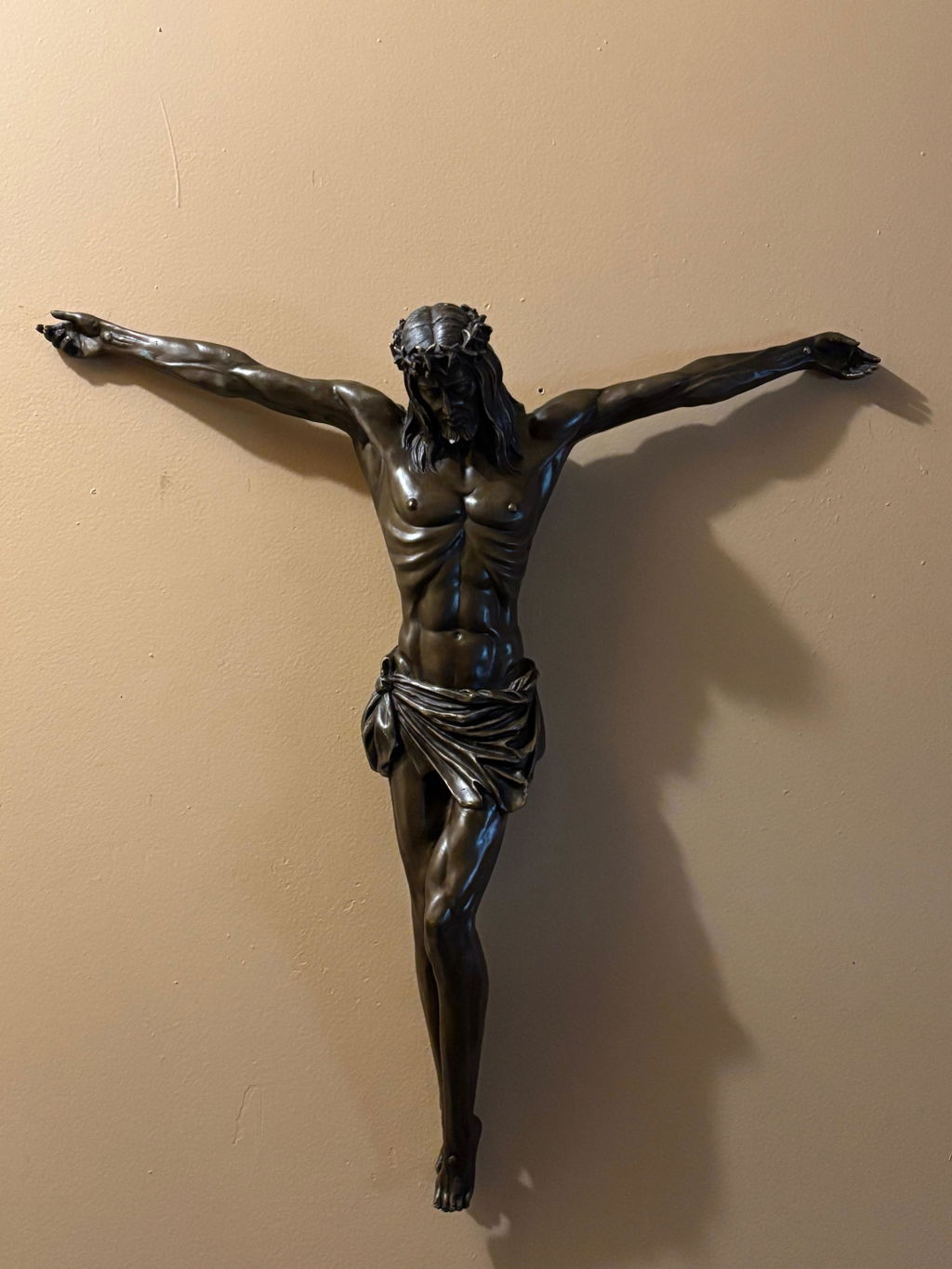
On the other hand, a lost wax bronze sculpture would typically feature more elaborate details, such as finely detailed facial expressions and textured garments, which invite closer inspection and appreciation of the artist’s skill. Each technique has its own merits, and the choice between them often depends on the intended use and display environment.
Ultimately, understanding the nuances between hot cast and lost wax bronze sculptures empowers collectors to make informed decisions that align with their aesthetic preferences and practical needs.
Ideal Uses for Each Type of Sculpture
When selecting between hot cast and lost wax bronze sculptures, understanding their unique characteristics can greatly enhance your decor and personal collection. Each method offers distinct advantages that suit different tastes and environments.
Best Scenarios for Displaying Hot Cast Sculptures
Hot cast bronze sculptures are known for their robustness and can be ideal for various settings. Here are some scenarios where hot cast bronze shines:
- Outdoor Spaces: Their durability makes them perfect for gardens, patios, and other outdoor environments where they can withstand weather elements.
- High-Traffic Areas: Hot cast pieces can handle frequent handling or movement, making them suitable for public spaces or busy homes.
- Statement Pieces: The boldness of hot cast bronze often makes it a focal point in any room, ideal for creating a striking visual impact.
When to Opt for Lost Wax Bronze Sculptures
Lost wax bronze sculptures are celebrated for their intricate details and artistic finesse. Consider these situations for lost wax pieces:
- Indoor Display: Their delicate craftsmanship makes them more suited for indoor environments where they can be showcased with care.
- Artistic Collections: If you’re an art collector, lost wax pieces often carry a higher value due to their detailed artistry and the skill involved in their creation.
- Gift Giving: A lost wax bronze sculpture can serve as a thoughtful gift, particularly for art enthusiasts who appreciate fine details and craftsmanship.
In summary, your choice between hot cast and lost wax bronze sculptures should align with your intended display environment and personal aesthetic preferences. When in doubt, consider the decor style of your space and select a piece that complements it well.
Caring for Your Bronze Sculptures
Proper care of your bronze sculptures, whether hot cast or lost wax, is essential for maintaining their beauty and longevity. Here are some essential care tips and considerations.
General Care Tips
- Regular Dusting: Use a soft, dry cloth to dust your bronze sculptures regularly. Avoid harsh chemicals that can damage the finish.
- Avoid Moisture: Keep sculptures away from direct moisture to prevent tarnishing or corrosion, especially for those displayed outdoors.
- Temperature Control: Maintain a stable environment; avoid placing sculptures in areas with extreme temperature fluctuations.
Specific Considerations for Patina and Marble Bases
Many bronze sculptures feature a patina finish that enhances their aesthetic appeal:
- Patina Maintenance: If your sculpture has a patina, avoid polishing it, as this can remove the finish. Instead, gently clean with a damp cloth.
- Marble Base Care: For sculptures mounted on marble bases, ensure to clean the base separately. Use a damp cloth and mild soap, avoiding abrasive materials that could scratch the surface.
Care Checklist for Bronze Sculptures
| Care Task | Frequency |
|---|---|
| Dusting | Weekly |
| Moisture Check | Monthly |
| Patina Condition Check | Quarterly |
| Marble Base Cleaning | As Needed |
Discover the Perfect Piece for Your Collection
Understanding the differences between hot cast and lost wax bronze sculptures empowers you to make informed purchasing decisions. Each method has its unique benefits, catering to different aesthetics and environments. By considering your display needs and the care involved, you can select the perfect bronze sculpture that not only enhances your decor but also resonates with your artistic sensibilities.
For further exploration, check out our hot cast bronze collection and lost wax bronze collection at Bronzhaus. Dive into the world of exquisite bronze art and find the piece that speaks to you!
Frequently Asked Questions
1. What are the primary methods used to create bronze sculptures?
2. What is hot cast bronze?
3. What are the benefits of using the lost wax method in bronze sculpture?
4. How do durability and detail compare between hot cast and lost wax bronze sculptures?
5. What are some care tips for maintaining bronze sculptures?
Glossary
| Term | Meaning |
|---|---|
| Bronze | A durable alloy primarily made of copper and tin, used in sculptures. |
| Hot Cast Bronze | A casting method involving pouring molten bronze into molds for sculpture creation. |
| Lost Wax Method | A technique allowing for intricate details by creating a wax model that is melted away. |
| Cire Perdue | French term for "lost wax," referring to the same sculpting technique. |
| Mold | A hollow form used to shape molten bronze into a sculpture. |
| Patina | A surface finish on bronze that can enhance its appearance and protect it. |
| Durability | The ability of a sculpture to withstand wear, pressure, or damage. |
| Detailing | The level of intricate features and textures captured in a sculpture. |
| Indoor Display | Showcasing sculptures inside a building, often requiring careful handling. |
| Outdoor Spaces | Areas outside where sculptures can be displayed, benefiting from durability. |
Linked Product

Vintage Gory Gypsy Dancer on Green Marble Base Sculpture Hot Cast Figurine Gift
The "Vintage Gory Gypsy Dancer on Green Marble Base Sculpture" is a striking representation of feminine grace, crafted in hot cast bronze and mounted on an elegant marble base. At 16 inches tall, this reproduction piece features intricate details and textures that highlight the artist Milo's mastery, making it a captivating addition to any decor. Ideal for collectors or as a thoughtful gift, this sculpture embodies both artistic beauty and authenticity.
View Product