Overview
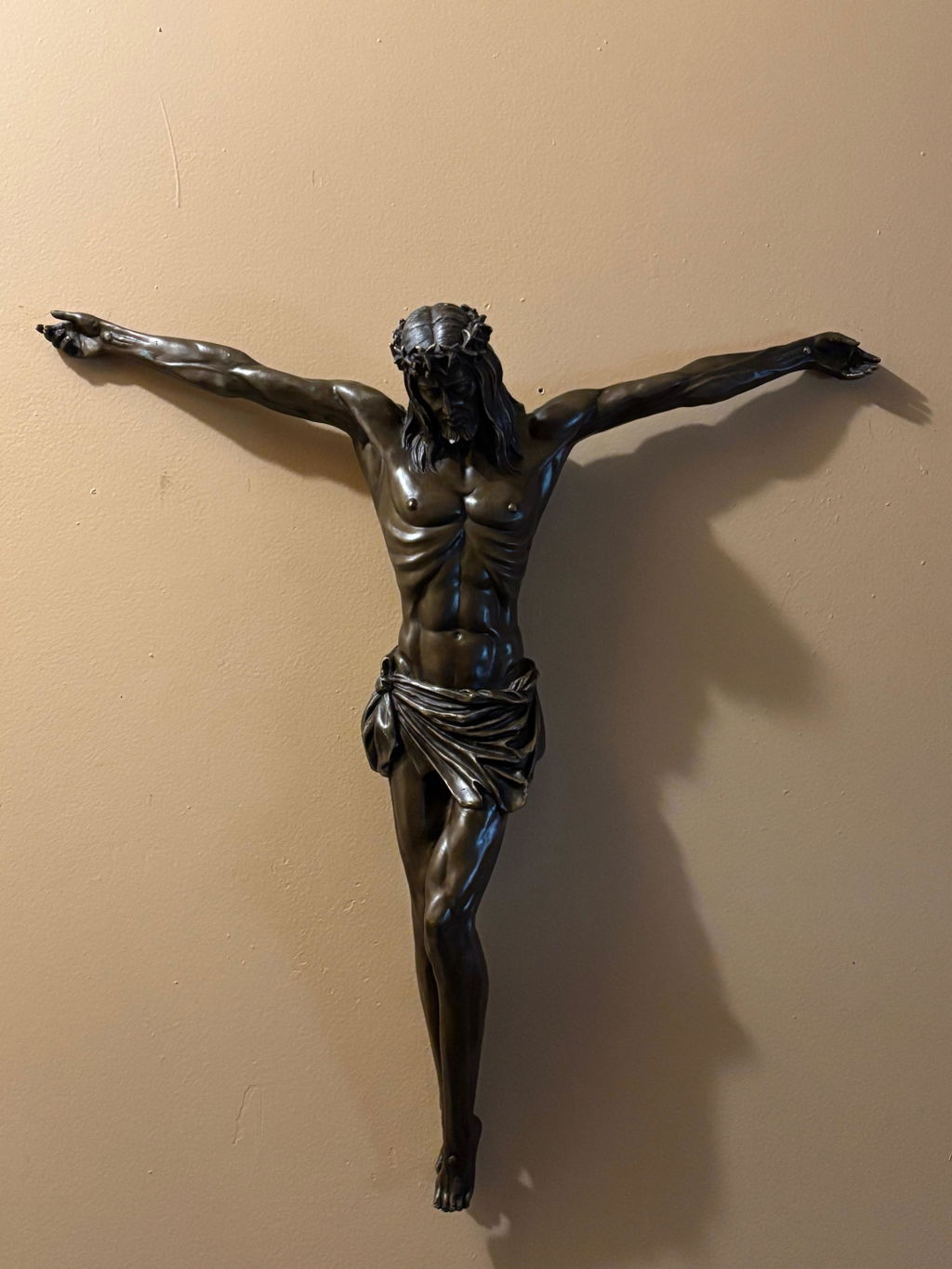
This article serves as a comprehensive guide for bronze sculpture owners, detailing essential care practices to preserve the beauty and value of these artistic investments. Readers will learn about proper handling, regular cleaning techniques, and effective display strategies, ensuring their bronze pieces remain stunning for years. Additionally, the article emphasizes the importance of understanding bronze composition and patina restoration, enhancing the overall appreciation of these exquisite artworks.
Table of Contents
- Understanding Bronze Sculptures
- Handling Your Bronze Sculptures
- Proper Handling Techniques
- Regular Cleaning and Maintenance
- Cleaning Your Bronze Sculpture
- Restoring the Patina
- Creating a Stunning Display
- Ideal Display Ideas for Bronze Sculptures
- Emphasizing the Collector and Gift Value
- Final Thoughts to Cherish Your Art
- Shop Related Collections
Key Takeaways
- Proper Handling: Always wash hands before touching to protect the patina and use soft, lint-free cloths for handling.
- Regular Cleaning: Dust sculptures frequently with a soft cloth to prevent grit accumulation and avoid harsh chemicals when cleaning.
- Patina Restoration: Assess the patina condition and use commercial solutions for restoration, testing on a small area first.
- Display Considerations: Place sculptures on stable surfaces and avoid direct sunlight to preserve their integrity and color.
- Investment Value: Bronze sculptures can appreciate over time and serve as exceptional gifts for significant milestones.
- Collector Appeal: They symbolize sophistication and can be a focal point in any collection, enhancing artistic exposure.
- Long-Term Care: Consistent maintenance is crucial to keeping bronze sculptures beautiful and valuable for years.
Bronze sculptures are not only stunning works of art but also valuable investments. Whether you own a graceful Bacchante dancer sculpture or a striking roman bronze sculpture, proper care is essential to maintain their beauty and integrity. In this detailed guide, we will cover best practices for caring for bronze sculptures, focusing on cleaning, maintenance, handling, and display!
Understanding Bronze Sculptures
Before diving into care techniques, it's crucial to understand what bronze is. Bronze is an alloy primarily made of copper, with tin or other metals added. The luxurious depth of bronze comes from its composition and the methods used to create sculptures.
Two common methods of bronze casting are hot-cast bronze and lost-wax casting. Hot-cast bronze sculptures are formed by pouring molten bronze into a mold, while lost-wax casting involves creating a wax model, covering it with a mold, and then melting the wax away to leave a cavity filled with molten bronze. These techniques contribute to the rich detail and durability of bronze sculptures, from the elegant curves of a Bacchante dancer sculpture to the impressive stature of roman bronze sculptures.
Handling Your Bronze Sculptures
Proper Handling Techniques
When handling your bronze sculptures, take these precautions:
- Wash Your Hands: Always wash your hands before touching a bronze sculpture. Natural oils and dirt from your hands can affect the patina finish over time.
- Use Soft Cloths: Use a soft, lint-free cloth to gently handle the sculpture. Avoid using paper towels or rough fabrics that might scratch the surface.
- Support the Base: Make sure you support the sculpture from below, rather than by the arms or features, to avoid putting stress on any delicate components.
Regular Cleaning and Maintenance
Cleaning Your Bronze Sculpture
Cleaning is a key part of maintaining your bronze art piece. Here are some steps to ensure that your sculpture stays in pristine condition:
- Dust Frequently: Use a soft, dry cloth or a feather duster to remove dust from the surface. Regular dusting prevents grit from accumulating and scratching the patina.
- Avoid Harsh Chemicals: Never use abrasive cleaners, ammonia, or solvents, as these can damage the bronze. A gentle cleaning solution of mild soap mixed with warm water is ideal.
- Dry Thoroughly: After cleaning, make sure to dry the sculpture with a soft cloth. Water spots can form if moisture remains on the surface.
Restoring the Patina
The patina of your bronze sculpture gives it character and depth. Over time, the finish may fade or change due to exposure to the elements. If you wish to refresh the patina, consider the following techniques:
- Assess the Patina: Before restoration, evaluate the current state of your sculpture's patina and determine if restoration is necessary.
- Use Patina Solutions: There are commercial patina solutions available that can help restore and enhance color. Be sure to follow the manufacturer's instructions for best results.
- Test on a Small Area: If you decide to use a patina solution, test it on a small, inconspicuous area first to ensure it produces the desired effect.
Creating a Stunning Display
Ideal Display Ideas for Bronze Sculptures
Proper display is essential for enjoying your bronze sculptures while preserving their integrity. Here are some ideas:
- Choose a Stable Surface: Ensure that your sculpture is placed on a sturdy, level surface like a wood or marble base. If you opt for a marble base, it can add elegance while providing stability.
- Avoid Direct Sunlight: Place your sculpture in a location that avoids direct sunlight to prevent fading or damage to the patina.
- Consider Display Cases: For particularly valuable pieces, consider using a display case to protect the sculpture from dust and handling while providing an elevated showcase.
Emphasizing the Collector and Gift Value
Buying a bronze sculpture is not just about adding decor to your space; they possess collector value. When maintained and cared for correctly, bronze sculptures can appreciate over time. They make for exceptional gifts and are perfect for milestones like anniversaries or graduations.
A Bacchante dancer sculpture or a mesmerizing roman bronze sculpture can be an ideal choice for those looking to start or expand a collection. They are often seen as a symbol of sophistication and artistic exposure, making them not only a valuable addition to your space but also a remarkable talking point.
Final Thoughts to Cherish Your Art
Caring for your bronze sculptures is paramount in maintaining their elegance and value. By following the best practices outlined above, you can ensure that your exquisite pieces, whether a Bacchante dancer sculpture or a classic roman bronze sculpture, remain breathtaking and valuable for years to come.
Remember, the beauty of bronze sculptures lies in their details—a little extra care goes a long way in preserving artistry that lasts a lifetime.
Shop Related Collections
Ready to explore more splendid sculptures? Visit our bronze sculpture collection to find the perfect piece for your home or as a treasured gift!
Frequently Asked Questions
1. What materials are used to make bronze sculptures?
2. How should I handle my bronze sculptures?
3. What is the best way to clean bronze sculptures?
4. How can I restore the patina of my bronze sculpture?
5. Why are bronze sculptures considered valuable investments?
Glossary
| Term | Meaning |
|---|---|
| Bronze | An alloy primarily made of copper and tin or other metals. |
| Patina | The surface finish that develops on bronze over time, adding character. |
| Hot-Cast Bronze | A method of casting where molten bronze is poured into a mold. |
| Lost-Wax Casting | A technique involving a wax model that is melted away to create a mold. |
| Maintenance | Regular care practices to preserve the beauty of bronze sculptures. |
| Display Case | A protective enclosure for showcasing valuable sculptures. |
| Collector Value | The potential for a sculpture to appreciate in value over time. |
| Cleaning Solution | A mixture of mild soap and warm water for safely cleaning bronze. |
| Soft Cloth | A lint-free cloth used for handling and cleaning bronze sculptures. |
| Direct Sunlight | Sun exposure that can fade or damage the patina of bronze sculptures. |
Linked Product

Art Nouveau Bronze Bacchante Dancer Sculpture on Marble Pedestal Base
The Art Nouveau Bronze Bacchante Dancer Sculpture is a beautifully crafted piece that captures the elegance and motion of classical mythology. Hand made using the traditional lost-wax casting method, this sculpture features a rich brown patina that enhances its intricate details. Mounted on a rose-colored marble pedestal, it serves as an eye-catching centerpiece for any home, office, or fine art collection.
View Product