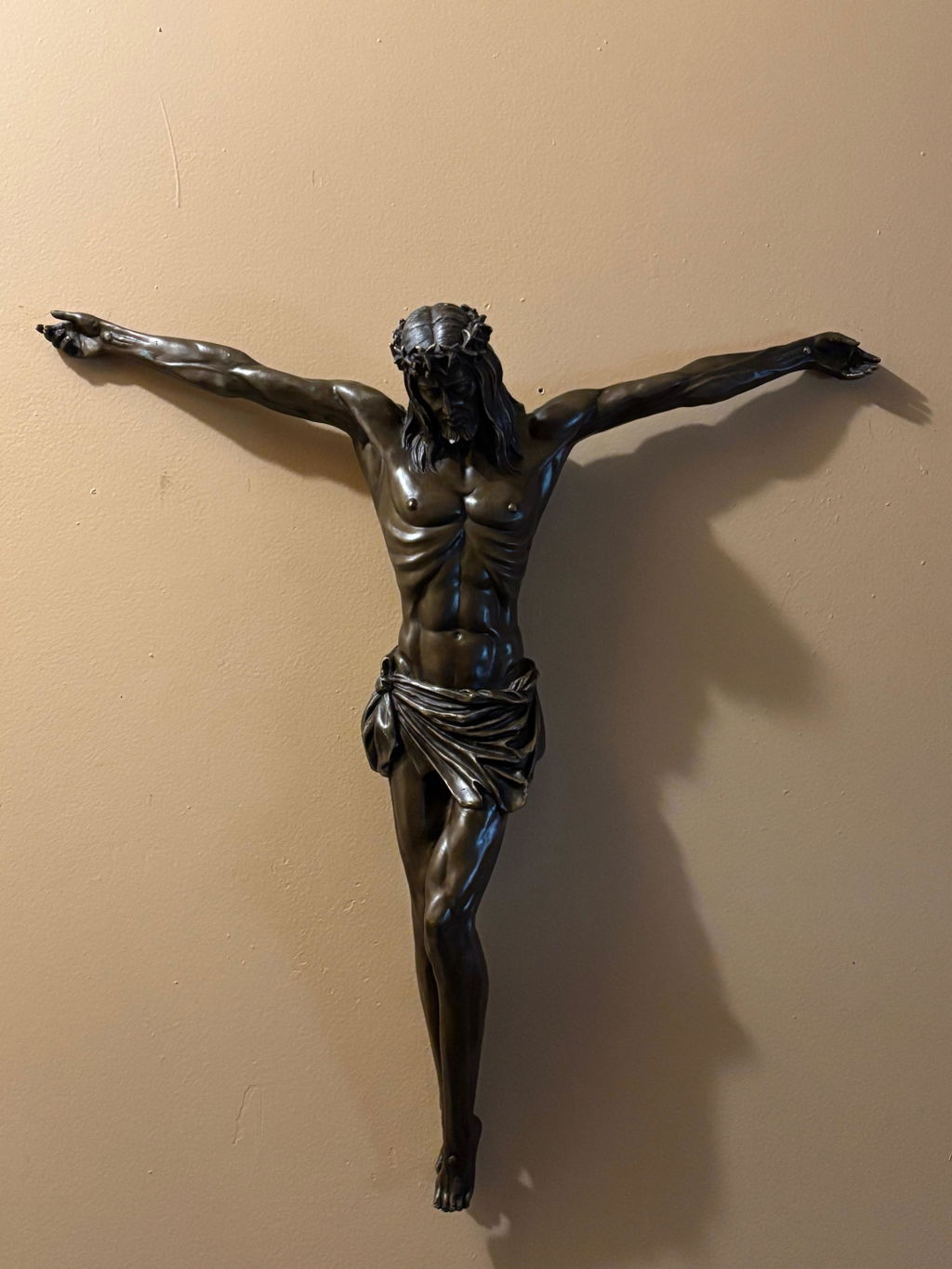
Overview
This article explores the captivating world of bronze sculptures, highlighting the rich history and techniques behind this timeless art form, particularly the lost-wax casting method. Readers will learn about influential sculptors such as Auguste Rodin and Alberto Giacometti, their unique styles, and how to incorporate bronze pieces into modern decor. Additionally, the article offers insights into collecting bronze sculptures, making it a valuable resource for art enthusiasts and potential collectors alike.
Table of Contents
- The Art of Bronze Sculpting
- Famous Bronze Sculptors You Should Know
- 1. Auguste Rodin
- 2. Alberto Giacometti
- 3. Henry Moore
- 4. Jean-Baptiste Carpeaux
- The Importance of Patina in Bronze Sculptures
- Incorporating Bronze Sculptures into Your Decor
- Collecting Bronze Sculptures: A Timothy Exploration
- Gift Value of Bronze Sculptures
- Craftsmanship: The Lost-Wax Method in Detail
- Your Path to Artistic Discovery
Key Takeaways
- Historical Significance: Bronze sculptures have a rich history, dating back to ancient civilizations, valued for their durability and aesthetic appeal.
- Technique: The lost-wax casting method is essential for creating detailed bronze sculptures, allowing for intricate designs and finishes.
- Notable Sculptors: Key figures like Auguste Rodin, Alberto Giacometti, Henry Moore, and Jean-Baptiste Carpeaux have made significant contributions to the art of bronze sculpting.
- Patina Importance: The patina on bronze sculptures enhances their visual appeal and protects the metal, with various techniques yielding diverse colors and textures.
- Decor Integration: Bronze sculptures can elevate home decor by serving as focal points, part of gallery walls, or outdoor displays, enhancing the overall aesthetic of a space.
- Collecting Tips: Research sculptors, assess sculpture condition, and seek authentication to make informed purchases when collecting bronze art.
- Gift Value: Bronze sculptures make meaningful gifts for significant life events, combining beauty with potential financial appreciation over time.
Bronze sculptures have fascinated art lovers for centuries, with their striking finish, intricate details, and cultural significance. The rich history behind bronze casting, particularly through techniques like lost-wax casting, has produced exceptional works from notable sculptors across the globe. In this article, we'll delve into the lives and legacies of some of the most famous bronze sculptors, uncovering their seminal works and the unique characteristics that define them in the world of artistry. Plus, we'll explore how you can incorporate modern bronze decor into your home or collection.
The Art of Bronze Sculpting
The journey of sculpting in bronze can be traced back to ancient civilizations, where bronze was a favored medium for its durability and aesthetic appeal. The techniques have evolved over the years, with the lost-wax casting method being one of the most revered. This meticulous process allows artists to create detailed and complex forms. The initial model is crafted in wax and encased in a mold. Once heated, the wax melts away, leaving a hollow cavity that is then filled with molten bronze. This guarantees exquisite detail and an exceptional finish.
Famous Bronze Sculptors You Should Know
1. Auguste Rodin
A leading figure in the world of sculpture, Auguste Rodin is best known for works that blend realism with emotional expression. His iconic pieces, such as "The Thinker" and "The Kiss," showcase his ability to capture the essence of human emotion. Rodin's technique involved a unique application of patina, enhancing the textures and details of his creations. Many of his works were cast in bronze posthumously, illustrating the enduring appeal of his artistry.
2. Alberto Giacometti
Known for his elongated figures, Alberto Giacometti focused on the existential experience of humanity. His bronze sculptures are rich in texture and convey a profound sense of isolation and existentialism. The use of hot-cast bronze allowed Giacometti to experiment with forms that frequently appeared fragile yet powerful, exemplifying his unique style in the world of modern art.
3. Henry Moore
A master of abstraction, Henry Moore played an instrumental role in shaping modern sculpture. His works often feature organic shapes and forms inspired by nature. Moore's bronze pieces, many of which are monumental in size, resonate with viewers through their fluidity and harmony with the surrounding environment.
4. Jean-Baptiste Carpeaux
The French sculptor Jean-Baptiste Carpeaux is celebrated for his emotive figures and intricate details. His work "Ugolino and His Sons" is an exquisite example of the dramatic storytelling possible through bronze. Carpeaux’s proficiency in creating dynamic movement in his sculptures has left a lasting legacy in bronze artistry.
The Importance of Patina in Bronze Sculptures
The patina on bronze sculptures is not only crucial for aesthetic appeal but also serves to protect the metal underneath. Various methods of achieving a patina can lead to a wide spectrum of colors and textures, enhancing the beauty of each piece. For instance, some artists use chemical treatments during the finishing process, resulting in varying hues from deep greens to rich browns that can transform a standard bronze sculpture into a museum-quality bronze masterpiece.
Incorporating Bronze Sculptures into Your Decor
Adding bronze sculptures to your living space can elevate your home decor and imbue it with personality. Whether you're an art aficionado or simply someone who appreciates beauty, here are some ideas for displaying bronze sculptures:
- Focal Point: Position a large bronze piece, like an elegant classical nude woman bronze statue, as the centerpiece of your living room or entryway. Its striking detail and presence will draw attention.
- Gallery Wall: Create a gallery wall by mixing framed art and smaller bronze sculptures. This combination will showcase breadth in your artistic taste.
- Outdoor Display: Consider placing bronze sculptures in garden settings. The elements naturally enhance their patina, creating a striking look against lush greenery.
- Marble Bases: Many bronze sculptures come with a polished marble base, enhancing their elegance and providing a stable foundation. Display these pieces on shelves or mantels to improve their visibility.
Collecting Bronze Sculptures: A Timothy Exploration
Investing in bronze sculptures can be a rewarding journey, both in terms of appreciation for art and potential financial value. As you venture into collecting, consider the following tips:
- Research: Learn about various sculptors, styles, and techniques. Understanding the significance of pieces will enhance your appreciation and ensure informed purchases.
- Visit Galleries: Attend exhibitions and galleries that specialize in modern bronze decor. This experience will help you find hidden gems and network with experienced collectors.
- Condition: Always assess the condition of the bronze before purchasing. Ensure that the patina is intact and there are no significant damages.
- Authentication: Seek expert opinions and documentation to authenticate sculptors’ signatures and historical accuracy.
Gift Value of Bronze Sculptures
Bronze sculptures make for extraordinary gifts. They serve as timeless tokens of appreciation, often marking significant life events such as weddings, anniversaries, or graduations. A carefully chosen piece can demonstrate thoughtfulness and an understanding of the recipient’s aesthetic preferences. Furthermore, their intrinsic value often appreciates over time, making them not just decorative items but also enduring investments.
Craftsmanship: The Lost-Wax Method in Detail
The lost-wax casting method is pivotal in creating high-quality bronze sculptures. This intricate process allows artists to replicate detailed models accurately. Here is a step-by-step overview of how it’s done:
- Model Creation: The sculptor creates a model using wax or another suitable material.
- Encasement: The model is covered in a ceramic or plaster material to form a mold.
- Wax Removal: The mold is heated to remove the wax, leaving a cavity in the shape of the model.
- Pouring Bronze: Molten bronze is poured into the mold, filling the cavity left behind by the wax.
- Finishing Touches: Once cooled, the mold is broken off, and the bronze sculpture is polished and treated with patina.
Your Path to Artistic Discovery
As you explore the realm of bronze sculpture, let the stories of the master sculptors guide you. Each piece of work carries a blend of history, skill, and emotion, inviting viewers to engage with the narrative it presents. Whether you’re preparing your home for modern design or setting out to develop a collection, understanding the rich heritage behind bronze sculptures will enrich your appreciation and decision-making. From patinas to marble bases, the world of bronze is vast and imbued with artistic possibilities.
Shop related collections and discover more exquisite bronze sculptures at Bronzhaus. With a unique array of styles and pieces, you can find museum-quality bronze that resonates with your personal taste and decor.
Frequently Asked Questions
1. What is lost-wax casting in bronze sculpting?
2. Who are some famous bronze sculptors?
3. How can I incorporate bronze sculptures into my home decor?
4. Why is patina important for bronze sculptures?
5. What should I consider when collecting bronze sculptures?
Glossary
| Term | Meaning |
|---|---|
| Bronze | A metal alloy primarily made of copper and tin, used in sculpture for its durability. |
| Lost-Wax Casting | A sculpting technique where a wax model is melted away to create a mold for bronze casting. |
| Patina | A surface finish on bronze that develops over time, enhancing its aesthetic appeal. |
| Auguste Rodin | A renowned sculptor known for works that express human emotion and realism. |
| Alberto Giacometti | An artist famous for elongated figures that convey themes of isolation and existence. |
| Henry Moore | A sculptor recognized for his abstract forms inspired by nature. |
| Jean-Baptiste Carpeaux | A French sculptor noted for his emotive and dynamic bronze figures. |
| Gallery Wall | A display arrangement combining various art forms, including bronze sculptures. |
| Marble Base | A polished stone platform that enhances the presentation of bronze sculptures. |
| Art Aficionado | An individual with a deep appreciation and knowledge of art and its forms. |
Linked Product

Elegant Classical Nude Woman Bronze Statue Figurine
The Elegant Classical Nude Woman Bronze Statue Figurine by Miguel Lopez is a striking representation of the female form, showcasing graceful proportions and flowing contours. Handcrafted using the traditional lost wax method, this original bronze sculpture features a rich brown patina that enhances its artistic details. Mounted on a polished black marble base, it serves as a captivating focal point suitable for various display settings, making it an ideal addition for collectors of figurative and contemporary bronze art.
View Product