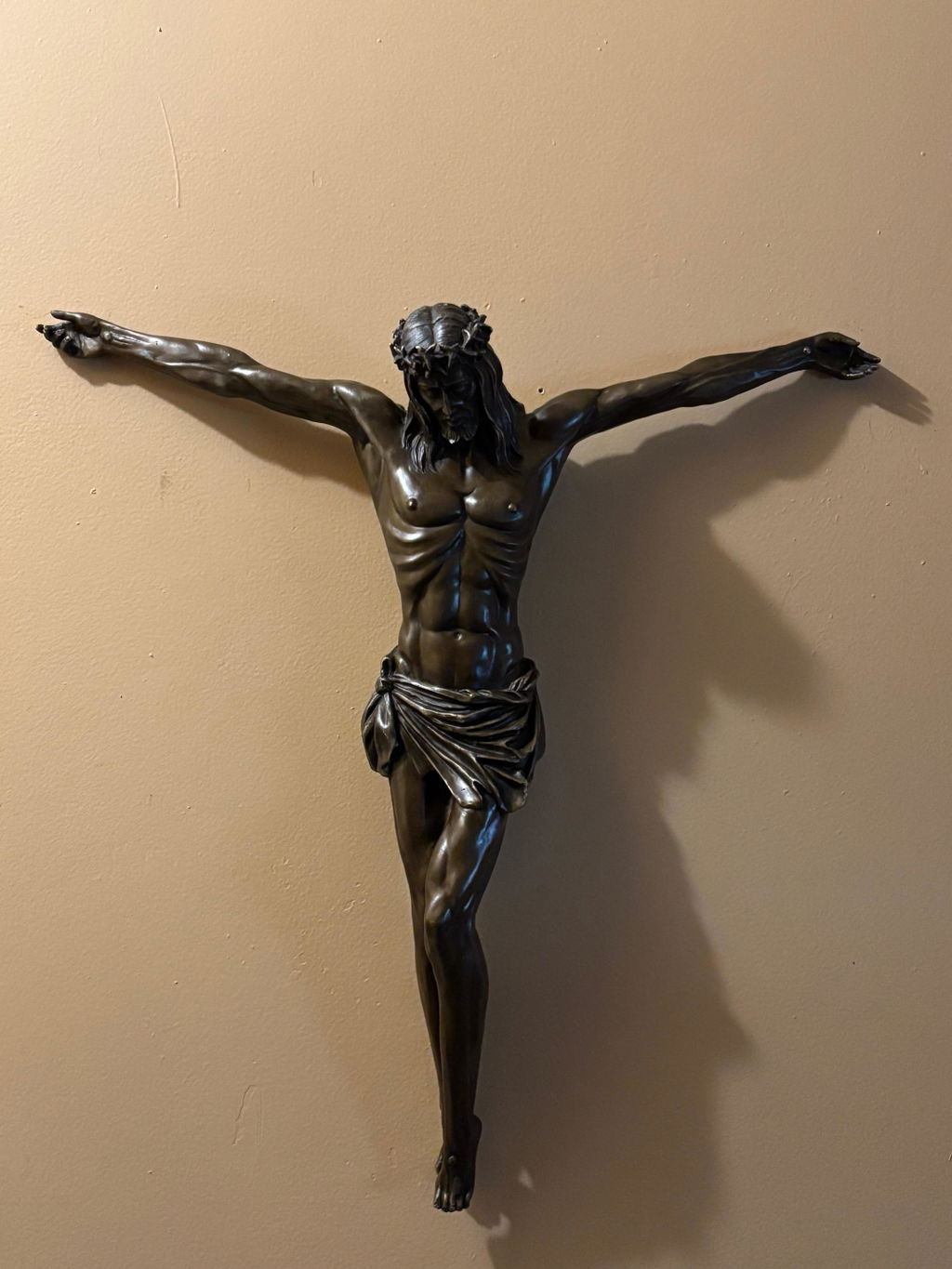
Overview
Finding the perfect gift for an art lover can be challenging, but bronze sculptures offer a unique blend of beauty and durability that makes them an ideal choice. These handcrafted pieces not only enhance any decor but also carry emotional significance, making them cherished additions to any collection. Understanding the styles, sizes, and care for bronze sculptures will help you select a gift that resonates with your recipient's taste and stands the test of time.
Table of Contents
- Understanding Bronze Sculptures
- Definition and History of Bronze Sculptures
- Different Casting Methods: Hot-Cast vs. Lost-Wax
- The Significance of Patina and Its Impact on Aesthetics
- Why Choose Bronze Sculptures as Gifts
- Timelessness and Durability of Bronze as a Material
- Artistic Value and Uniqueness of Handcrafted Pieces
- Versatility in Decor Fit for Various Styles
- Identifying the Right Style for Your Recipient
- Different Styles: Classical, Contemporary, and Abstract
- Assessing the Recipient's Existing Decor
- The Importance of Personal Connection to the Artwork
- Size Matters: Choosing the Right Dimensions
- How Size Affects Display Options and Impact
- Common Dimensions for Various Settings
- Considerations for Space Availability
- Caring for Bronze Sculptures
- Basic Cleaning and Maintenance Tips
- Understanding Patina and When to Preserve or Restore
- Storage and Display Recommendations to Prevent Damage
- Gift Presentation: Making It Special
- Creative Wrapping Ideas
- Including a Personal Note or History of the Sculpture
- Choosing the Right Moment and Setting for Gifting
Key Takeaways
- Timeless Appeal: Bronze sculptures are durable and can last for generations, making them meaningful gifts.
- Unique Craftsmanship: Each bronze sculpture is often handcrafted, showcasing the artist's individuality and creativity.
- Versatile Decor: They fit seamlessly into various decor styles, enhancing any space from homes to galleries.
- Understanding Styles: Bronze sculptures come in classical, contemporary, and abstract styles, catering to diverse tastes.
- Importance of Patina: The surface coloration of bronze, known as patina, adds character and can influence aesthetic appeal.
- Size Considerations: The dimensions of a sculpture impact its display options; larger pieces serve as statement artworks while smaller ones add subtle accents.
- Thoughtful Presentation: Elevate the gifting experience with creative wrapping and personal notes that enhance the sentimental value.
When searching for the ideal gift for an art enthusiast, bronze sculptures stand out as timeless masterpieces that blend beauty and craftsmanship. Understanding the characteristics and appeal of bronze sculptures can help you make an informed choice that resonates with your recipient's taste and enhances their collection.
Understanding Bronze Sculptures
Bronze sculptures have captivated art lovers for centuries, providing a rich history that dates back to ancient civilizations. These artworks are primarily made from an alloy of copper and tin, which gives them durability and a unique aesthetic appeal. The process of creating bronze sculptures involves several techniques, with the two most prevalent being hot-cast and lost-wax casting.
Definition and History of Bronze Sculptures
Bronze sculptures are three-dimensional artworks crafted from bronze, renowned for their strength and longevity. The history of bronze sculpture can be traced back to the Bronze Age, where artisans created intricate designs that were both functional and decorative. Today, these sculptures continue to be a popular medium for artists, celebrated for their ability to capture emotion and movement.
Different Casting Methods: Hot-Cast vs. Lost-Wax
Understanding the casting methods is crucial for appreciating the artistry behind bronze sculptures:
- Hot-Cast: This method involves pouring molten bronze into a mold. It is efficient for producing multiple copies of a sculpture and often results in a more uniform finish.
- Lost-Wax: A traditional technique where an artist creates a wax model, encases it in a mold, and then melts away the wax, leaving a cavity for the molten bronze. This method allows for more intricate details and variations, making each piece unique.
The Significance of Patina and Its Impact on Aesthetics
Patina refers to the surface coloration that develops over time on bronze sculptures, influenced by exposure to air and moisture. This natural aging process not only enhances the sculpture's visual appeal but also adds depth and character. Some artists intentionally apply patinas to achieve specific effects, creating vibrant colors that can range from deep greens to rich browns. Understanding patina is essential when selecting a piece, as it can significantly affect the sculpture's overall look and feel.
Why Choose Bronze Sculptures as Gifts
Bronze sculptures make exceptional gifts for numerous reasons, appealing to a wide range of recipients from art collectors to those seeking a unique housewarming gift. Here are some compelling reasons to consider bronze sculptures for your gifting needs:
Timelessness and Durability of Bronze as a Material
One of the key attributes of bronze is its durability. Unlike other materials that may deteriorate or fade over time, bronze sculptures are designed to last for generations. This makes them a meaningful gift that can be cherished and passed down through families, symbolizing lasting love and appreciation.
Artistic Value and Uniqueness of Handcrafted Pieces
Each bronze sculpture is often handcrafted, showcasing the artist's skill and creativity. This uniqueness adds significant value, making each piece a one-of-a-kind treasure. When you give a bronze sculpture, you're not just gifting an object; you're offering a work of art that tells a story and evokes emotions.
Versatility in Decor Fit for Various Styles
Bronze sculptures can seamlessly blend into various decor styles, from classical to contemporary. Their aesthetic versatility allows them to enhance any space, whether displayed in a home, office, or gallery. Here are a few occasions where bronze sculptures serve as perfect gifts:
- Unique housewarming gift
- Luxury Father’s Day gift
- Luxury Christmas gift
- Gift for art collector
In essence, giving a bronze sculpture is more than just a gift; it is an investment in art that carries emotional significance and aesthetic value. The choice of a sculpture can reflect the recipient's personality and tastes, making it a thoughtful and cherished present.
Identifying the Right Style for Your Recipient
Selecting a bronze sculpture as a gift means understanding the recipient's taste and style. Bronze sculptures come in various styles, each conveying different emotions and aesthetics. Here’s how to identify the right style for your recipient:
Different Styles: Classical, Contemporary, and Abstract
Bronze sculptures can be categorized into three main styles:
- Classical: These sculptures often depict historical figures, gods, or mythological themes. They are characterized by traditional techniques and a focus on realism. A classical piece, like a statue of the Venus Goddess of Love, can evoke a sense of history and elegance.
- Contemporary: Modern bronze sculptures often feature innovative designs and abstract forms. They aim to challenge perceptions and evoke thought. If your recipient enjoys modern art, a contemporary piece can offer a striking focal point in their decor.
- Abstract: These sculptures focus more on shapes and forms rather than realistic representations. They can be open to interpretation, making them a unique addition to any art collection.
Assessing the Recipient's Existing Decor
Understanding your recipient's home or office decor can significantly influence your choice of sculpture. Here are some tips:
- Color Palette: Consider the colors present in their space. A bronze sculpture with a rich patina can provide a stunning contrast or complement existing hues.
- Style Cohesion: Ensure the sculpture aligns with their overall decor style. A classical piece may suit a traditional setting, while abstract sculptures might resonate in a minimalist environment.
- Size and Scale: Think about the size of their space. Larger sculptures can dominate small areas, while smaller pieces may get lost in expansive rooms.
The Importance of Personal Connection to the Artwork
Choosing a sculpture that resonates personally with the recipient can transform it from a mere gift into a cherished keepsake. Consider the following:
- Interests and Passions: Does your recipient have a love for mythology, nature, or modern art? Tailoring your choice to their interests can create a deeper emotional connection.
- Memorable Moments: If there’s a shared memory or experience related to a specific theme, selecting a sculpture that reflects this can enhance its sentimental value.
- Symbolism: Think about the meanings behind various pieces. For instance, a sculpture representing love or friendship can serve as a powerful reminder of your bond.
Size Matters: Choosing the Right Dimensions
When selecting a bronze sculpture, size plays a crucial role in its impact and how it fits into the intended space. Here’s how to navigate the dimensions:
How Size Affects Display Options and Impact
The size of a sculpture can dramatically influence its presence in a room. Larger pieces often serve as statement artworks, while smaller sculptures may be ideal for intimate spaces:
- Statement Pieces: Large sculptures can create focal points in living rooms or galleries. They can draw attention and spark conversation.
- Subtle Accents: Smaller sculptures work well on shelves, desks, or tabletops, adding character without overwhelming the space.
Common Dimensions for Various Settings
Understanding common sizes and where they fit best can help you make an informed decision:
| Size Category | Common Dimensions | Recommended Display Areas |
|---|---|---|
| Small | Up to 12 inches | Tabletops, shelves, desks |
| Medium | 12 to 24 inches | Side tables, mantels, office desks |
| Large | 24 inches and above | Living rooms, galleries, outdoor settings |
Considerations for Space Availability
Before making a purchase, assess the available space:
- Measure Your Space: Take measurements of the intended display area. Ensure there’s enough room for the sculpture without crowding other decor.
- Visual Balance: Consider the proportions of the sculpture in relation to the surrounding furniture and decor. The goal is to create a harmonious look.
- Accessibility: Ensure the sculpture can be viewed and appreciated easily, especially for larger pieces that may require more space.
By carefully considering the style and size of the bronze sculpture, you can select a gift that not only fits perfectly into your recipient's life but also resonates with their personal taste and decor. This thoughtful approach will ensure that your gift is cherished for years to come, making it a memorable addition to any art collection.
Caring for Bronze Sculptures
Maintaining the beauty and integrity of bronze sculptures is essential for preserving their value and aesthetic appeal. With proper care, these exquisite pieces can last for generations, making them a cherished part of your collection or a thoughtful gift for art lovers. Here, we provide practical tips on how to care for your bronze sculptures.
Basic Cleaning and Maintenance Tips
Regular cleaning is crucial to prevent dust and grime from accumulating on your bronze sculptures. Here are some straightforward steps to follow:
- Dust Regularly: Use a soft, dry cloth or a feather duster to gently remove dust from the surface of the sculpture.
- Avoid Abrasives: Never use abrasive cleaners or rough materials, as they can scratch the bronze surface.
- Use Mild Soap: If your sculpture requires more than just dusting, mix a small amount of mild soap with warm water. Dampen a soft cloth in the solution, wipe the sculpture gently, and then rinse with a clean, damp cloth.
- Dry Thoroughly: Ensure the sculpture is completely dry to prevent moisture damage.
Understanding Patina and When to Preserve or Restore
Patina is the natural aging process that gives bronze its distinctive color and texture. It can range from rich greens to deep browns, adding character to the sculpture. Here’s how to manage patina:
- Embrace Natural Patina: Many collectors appreciate the beauty of natural patina. If your sculpture develops a patina over time, consider leaving it as is.
- Preserving Patina: If you prefer the original finish, apply a thin layer of wax (such as microcrystalline wax) to protect the surface without altering its appearance.
- Restoration: If the sculpture has significant damage or wear, consult a professional conservator for restoration advice to maintain its value and integrity.
Storage and Display Recommendations to Prevent Damage
How you store and display your bronze sculptures can significantly impact their longevity. Here are some guidelines:
- Choose a Suitable Location: Avoid placing sculptures in direct sunlight, as prolonged exposure can lead to fading and heat damage.
- Maintain Stable Temperatures: Keep sculptures in a climate-controlled environment to prevent fluctuations that can affect the bronze.
- Use Protective Bases: If displaying on a shelf or table, consider using a felt pad or soft cloth underneath to prevent scratching surfaces.
- Secure Display: Ensure that sculptures are securely placed to prevent tipping or falling, especially in high-traffic areas.
Gift Presentation: Making It Special
When gifting a bronze sculpture, the presentation can elevate the experience and make the recipient feel truly special. Here are some creative ideas for presenting your gift:
Creative Wrapping Ideas
Enhancing the gift experience starts with thoughtful wrapping. Consider these ideas:
- Elegant Fabric: Wrap the sculpture in luxurious fabric, such as silk or velvet, to create a sophisticated look.
- Custom Boxes: Use a decorative box that complements the sculpture's style. Adding a ribbon can also enhance the presentation.
- Glass Display Cases: For a high-end touch, consider gifting the sculpture in a glass display case, allowing the recipient to showcase it immediately.
Including a Personal Note or History of the Sculpture
A personal touch can make your gift even more meaningful. Include:
- A Handwritten Note: Share your thoughts on why you chose the sculpture and what it represents. Personal anecdotes can add sentimental value.
- Information About the Artist: If the sculpture has a notable artist or historical significance, provide a brief background to enhance appreciation.
- Care Instructions: Include a small guide on how to care for the sculpture, ensuring that it remains beautiful for years to come.
Choosing the Right Moment and Setting for Gifting
Timing and setting can significantly impact the gifting experience. Here’s how to make it memorable:
- Special Occasions: Choose significant moments such as birthdays, anniversaries, or holidays to present the gift, making it a part of the celebration.
- Intimate Settings: Consider gifting in a cozy, private setting where you can share the moment without distractions.
- Incorporate a Reveal: Create a surprise element, such as a scavenger hunt leading to the sculpture, to make the gift-giving experience more exciting.
By following these care tips and presentation ideas, you can ensure that your bronze sculpture not only remains a beautiful addition to any space but also becomes a cherished gift that resonates with its recipient. Whether it’s a unique housewarming gift or a luxury Father’s Day gift, the thoughtfulness behind the gift will shine through. Happy gifting!
Frequently Asked Questions
1. What are bronze sculptures?
2. What are the main casting methods for creating bronze sculptures?
3. Why are bronze sculptures a good gift choice?
4. How should I choose the right style of bronze sculpture for my recipient?
5. What are some tips for caring for bronze sculptures?
Glossary
| Term | Meaning |
|---|---|
| Bronze Sculptures | Artworks made from an alloy of copper and tin, known for durability and aesthetic appeal. |
| Patina | Surface coloration on bronze that develops over time, enhancing visual appeal. |
| Hot-Cast | A method of casting where molten bronze is poured into a mold for uniformity. |
| Lost-Wax Casting | A technique where a wax model is melted away to create a unique bronze sculpture. |
| Artistic Value | The uniqueness and creativity of handcrafted pieces that enhance their worth. |
| Statement Piece | A large sculpture that serves as a focal point in a room. |
| Size Category | Classification of sculptures based on dimensions (small, medium, large). |
| Display Area | Recommended locations for showcasing sculptures, such as tables or galleries. |
| Maintenance | Regular care practices to preserve the integrity and appearance of bronze sculptures. |
| Gift Presentation | The manner in which a gift is wrapped and presented to enhance the experience. |
Linked Product

Hand Made Venus Goddess of Love Genuine Bronze Sculpture Signed Collett Statue
The Hand Made Venus Goddess of Love Genuine Bronze Sculpture by Collett is a stunning representation of the Roman goddess, capturing her elegance and grace through intricate craftsmanship. Standing 17 inches tall and mounted on a polished black marble base, this original piece makes a striking addition to any art collection or luxury interior décor. Its vibrant multi-color finish and detailed features highlight the artistry involved, making it a meaningful gift for art lovers and collectors of classical mythology.
View Product