Overview
Bronze sculptures have a rich history and diverse styles, ranging from figurative to abstract and animal representations. Understanding different types and casting techniques, like hot-cast and lost-wax, can enhance your appreciation and selection process. Patina adds unique character to each piece, while the choice of base can elevate its aesthetic. Bronze sculptures are valuable investments and make memorable gifts. Explore various options to find the perfect addition to your decor or collection.
Table of Contents
- The Captivating History of Bronze Sculptures
- Understanding the Different Types of Bronze Sculptures
- Figurative Bronze Sculptures
- Abstract Bronze Sculptures
- Animal Bronze Sculptures
- Exploring the Casting Techniques of Bronze Sculptures
- Hot-Cast Bronze
- Lost-Wax Casting
- Patina: The Finishing Touch on Bronze Sculptures
- Choosing the Perfect Base for Your Bronze Sculpture
- Displaying Your Bronze Sculptures: Tips and Ideas
- Investing in Bronze Sculptures: Collector and Gift Value
- A World of Possibilities Awaits at Bronzhaus
- Shop Related Collections
Key Takeaways
- Bronze sculptures have a rich history, dating back thousands of years, often used to honor gods and commemorate significant events.
- Figurative bronze sculptures capture human emotion and storytelling, making them excellent focal points in home decor.
- Abstract bronze sculptures challenge traditional forms, focusing on interpretation and visual appeal, ideal for modern spaces.
- Animal bronze sculptures celebrate wildlife, showcasing intricate details that appeal to nature lovers and collectors alike.
- Two primary casting techniques are used: hot-cast bronze for mass production and lost-wax casting for unique, detailed pieces.
- Patina enhances the aesthetic of bronze sculptures, adding individuality and protecting against corrosion.
- Choosing the right base can elevate a sculpture's presentation, with options like marble for elegance or wood for a rustic feel.
Bronze sculpture statues have captivated art enthusiasts and collectors for centuries. From their rich history to contemporary creations, the world of bronze sculpture is diverse and intriguing. Whether you’re looking to enhance your home decor or searching for the perfect gift, understanding the different types of bronze sculptures will help you make informed decisions. In this guide, we will explore various bronze sculptures, casting techniques, and the unique characteristics that make them prized possessions.
The Captivating History of Bronze Sculptures
Bronze, an alloy traditionally made from copper and tin, has been used in sculpture for thousands of years. The durability and malleability of bronze allow artists to create intricate designs that can withstand the test of time. Historically, bronze sculptures have depicted both human figures and animals, celebrating the beauty and complexity of life.
In ancient civilizations, bronze sculptures were often used to honor gods, commemorate victories, or signify status. The famous Greek sculptor Praxiteles, for example, created magnificent bronze figures that echoed the ideals of beauty during the Classical era. Today, bronze sculptures continue to evolve, with artists experimenting with form, style, and themes.
Understanding the Different Types of Bronze Sculptures
As you explore the world of bronze sculpture, it's essential to recognize the various types available. Here, we break down the most popular categories of bronze sculptures that you can find in today's market.
Figurative Bronze Sculptures
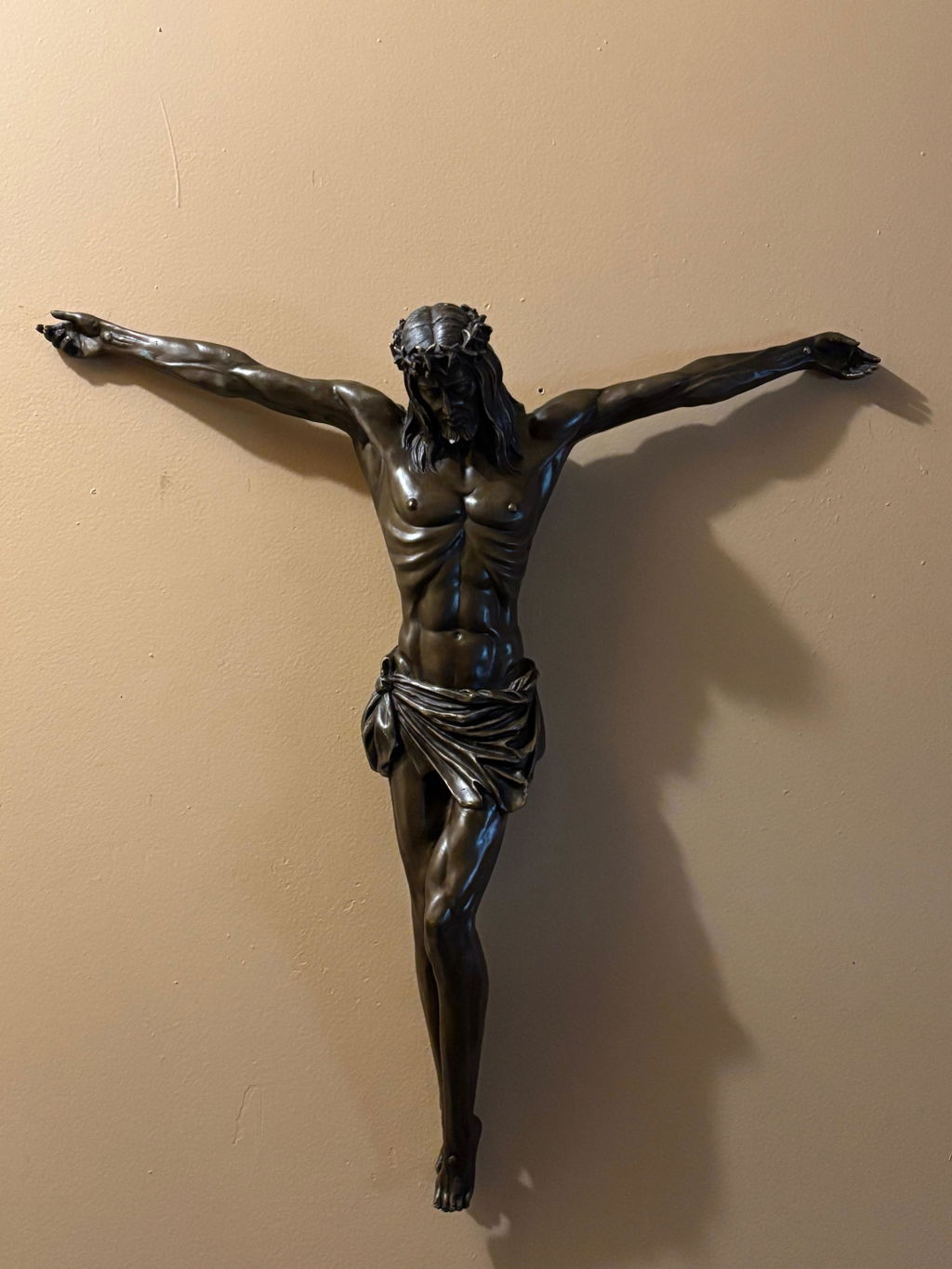
Figurative bronze sculptures are known for their representation of human figures and various forms of life. These sculptures capture the essence of emotions, movement, and storytelling. Artists often use various techniques, such as hot-cast bronze and lost-wax casting, to create these detailed pieces.
When considering a figurative bronze sculpture, think about the pose, expression, and subject matter. A well-crafted bronze figure makes an excellent centerpiece for your living room or an inspiring gift for art lovers. The intricate details and lifelike qualities of these sculptures highlight the talent and skill of their creators.
Abstract Bronze Sculptures
Abstract bronze sculptures challenge traditional representations. These pieces often focus on form, texture, and color, inviting viewers to interpret their meaning. Incorporating elements like colorful patina bronze can enhance the visual appeal of these sculptures, making every piece a statement art item.
When selecting an abstract bronze sculpture, consider how it will complement your existing decor. These sculptures can easily become conversation starters or unique focal points in an art collection. They are perfect for modern spaces and can create a dynamic energy in any setting.
Animal Bronze Sculptures
Animal bronze sculptures showcase a fantastic range of wildlife, from majestic lions to delicate birds. These pieces often highlight the beauty and grace of nature, making them a popular choice among collectors. The detailed craftsmanship can capture the essence of the animal, celebrating its unique features and movements.
Whether you're an animal lover or simply enjoy the aesthetics of wildlife art, these sculptures are sure to charm. They can work beautifully in a garden, patio, or even as decor in an indoor space, adding a touch of elegance and sophistication.
Exploring the Casting Techniques of Bronze Sculptures
The beauty of bronze sculptures lies not only in their final appearance but also in the techniques used to create them. The most common methods for producing bronze sculpture statues are hot-cast bronze and lost-wax casting, each offering distinctive qualities to the final artwork.
Hot-Cast Bronze
Hot-cast bronze is a technique that involves pouring molten bronze into a mold. This method allows for mass production while retaining intricate details, and it's often used for creating larger sculptures. The hot-cast process is ideal for artists looking to produce multiple copies of their work, making it a common choice for artists in commercial production.
Lost-Wax Casting
The lost-wax casting technique, on the other hand, is known for its meticulousness and finesse. With this method, a wax model of the sculpture is created, which is then coated in a mold material. Once the mold is set, the wax is melted away, leaving a cavity for molten bronze to be poured into. This technique allows for intricate details and is often used for smaller, unique pieces.
Patina: The Finishing Touch on Bronze Sculptures
Patina plays a significant role in determining the final appearance of bronze sculptures. This natural oxidation process can create a range of colors, from deep greens to vibrant reds and blues. The application of a colorful patina bronze finish can elevate a sculpture’s aesthetic, adding depth and personality to the piece.
Artisans often finish their works with patina to protect them from corrosion and enhance their visual appeal. Collectors appreciate the unique aspects of patina, as it adds a layer of individuality to each bronze sculpture, ensuring that no two pieces are identical.
Choosing the Perfect Base for Your Bronze Sculpture
The base upon which your bronze sculpture rests can significantly enhance its overall aesthetic. A marble base, for example, offers an elegant touch and complements the warm tones of bronze beautifully. When selecting a base, consider the style of the sculpture and the environment in which it will be displayed.
- Marble Bases: Marble bases provide a classic and sophisticated look, often elevating the overall elegance of the piece.
- Wooden Bases: For a more rustic or natural look, wooden bases can create an organic feel, especially for animal sculptures.
- Custom Bases: Some collectors opt for custom bases tailored to their specific decor themes, ensuring a seamless integration into their spaces.
Displaying Your Bronze Sculptures: Tips and Ideas
How you display your bronze sculpture can influence its visual impact. Here are some tips to help you showcase your collection effectively:
- Create Focal Points: Use sculptures as focal points in rooms by placing them on pedestals or prominently on shelves.
- Mix and Match: Combine different styles, sizes, and colors of bronze sculptures for a diverse visual landscape.
- Utilize Natural Light: Place sculptures where they can catch light to highlight details and enhance their patina.
- Pair with Art: Surround your sculptures with paintings or other artwork that complements their themes and styles for a cohesive display.
Investing in Bronze Sculptures: Collector and Gift Value
Bronze sculptures hold significant value in the art world, making them excellent investment pieces. Whether you’re a seasoned collector or just starting, understanding the market can help you make informed purchases. Factors such as the artist’s reputation, rarity of the piece, and historical significance can all affect value.
Additionally, bronze sculptures make for memorable gifts. The blend of artistry, craftsmanship, and beauty ensures that they resonate with recipients, whether they are art enthusiasts or new collectors.
A World of Possibilities Awaits at Bronzhaus
At Bronzhaus, we invite you to explore our exquisite collection of bronze sculptures. From stunning figurative pieces to breathtaking abstract works, our curated selection promises something for everyone. Whether you’re searching for a centerpiece to add elegance to your home or a unique gift for a loved one, you will find it at Bronzhaus. Don’t miss the opportunity to elevate your space with timeless art that tells a story. Visit Bronzhaus today and embrace the beauty of bronze sculptures!
Shop Related Collections
If you're ready to delve deeper into the world of bronze art, explore our related collections that showcase the diversity and creativity of bronze sculptures. From striking animals to evocative figures, there's something special waiting for you. Start your journey with us now and discover the perfect piece to enhance your space!
Frequently Asked Questions
1. What is the history of bronze sculptures?
2. What types of bronze sculptures are available?
3. What are the main casting techniques for bronze sculptures?
4. How does patina affect bronze sculptures?
5. What should I consider when choosing a base for my bronze sculpture?
Glossary
| Term | Meaning |
|---|---|
| Bronze | An alloy of copper and tin used in sculpture for its durability and malleability. |
| Figurative Sculpture | Artworks representing human figures or life forms, emphasizing emotions and movement. |
| Abstract Sculpture | Artworks focusing on form and texture, inviting personal interpretation. |
| Animal Sculpture | Bronze pieces depicting wildlife, celebrating nature's beauty and grace. |
| Hot-Cast Bronze | A method of pouring molten bronze into molds for mass production of sculptures. |
| Lost-Wax Casting | A technique where a wax model is melted away to create intricate bronze pieces. |
| Patina | A natural oxidation finish that adds color and character to bronze sculptures. |
| Base | The foundation for a sculpture, which can enhance its visual appeal and stability. |
| Collector Value | The worth of a sculpture based on artist reputation, rarity, and historical significance. |
| Display Tips | Strategies for showcasing sculptures effectively, such as creating focal points and using light. |
Linked Product

The Cathedral By Rodin, Rodin Classical Sculpture Genuine Bronze Sculpture Statue
"The Cathedral" by Rodin is a genuine bronze sculpture that beautifully captures a moment of intimacy with its depiction of two right hands poised to touch. Handcrafted using the traditional lost wax method, this piece features a rich brown patina finish and rests on a sophisticated black marble base, making it an elegant addition to any space. With its intricate details and emotive expression, this sculpture serves as a stunning centerpiece for galleries, museums, or private collections.
View Product